
 Serving Ventura and LA County
 Years of Experience
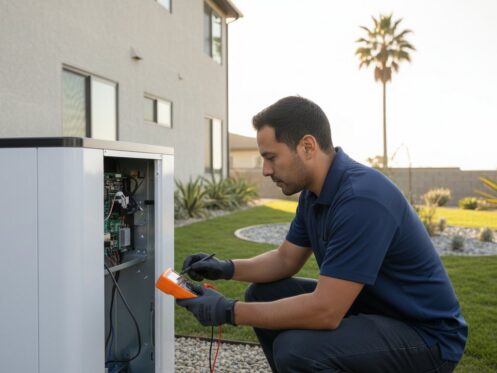
Last Tuesday, a homeowner named Sarah in Redondo Beach watched her energy bill spike by 22% while her living room remained trapped at a sticky 68% humidity level. This isn’t just a comfort issue; it’s a mechanical failure where a system works twice as hard for half the result. If you’ve been searching for reliable heat pump repair near me, you’ve likely encountered technicians who prioritize a new unit sale over a technical diagnosis. It’s frustrating to face unpredictable costs when you simply want your home’s climate to remain stable against the South Bay’s unique coastal demands.
We believe a repair should be based on technical verification, not a sales quota. You’ll discover why your heat pump is failing and how our meticulous, inspection-first approach ensures the most cost-effective and reliable repair in the South Bay. This guide provides an unbiased assessment of system health and explains how optimized performance can lower your monthly energy expenses while restoring your peace of mind.
Key Takeaways
- Identify subtle warning signs like short-cycling to prevent a total system lockout and avoid costly emergency breakdowns.
- Understand how Los Angeles power fluctuations and South Bay salt air specifically impact your unit’s sensitive inverter boards and structural integrity.
- Apply our professional “50% Rule” framework to determine if a repair or a transition to new SEER2 standards is your most cost-effective investment.
- Learn the essential safety protocols and thermostat troubleshooting steps to perform while waiting for professional heat pump repair near me.
- Discover why an unbiased, inspection-first evaluation from a Mitsubishi Ductless Elite Dealer ensures technical precision without the pressure of sales quotas.
Common Signs You Need Heat Pump Repair in Los Angeles
Identifying mechanical failure early prevents a complete system lockout during a 95-degree heatwave in the San Fernando Valley. Most property owners search for “heat pump repair near me” only after the unit stops entirely. Subtle indicators often appear 14 to 21 days before a terminal breakdown. Recognizing these signs protects your investment and maintains the 15-year life expectancy of a professional-grade unit.
Short-cycling is one of the most frequently ignored symptoms in Southern California. This occurs when the system cycles on and off every 8 to 12 minutes rather than running for the standard 20-minute cooling duration. Los Angeles homeowners often overlook this because the interior temperature remains tolerable. However, this behavior increases monthly utility costs by 30% and places extreme stress on the compressor. Understanding what a heat pump is and how its refrigeration cycle functions reveals why frequent starts are so damaging. The system requires a steady state to operate efficiently; constant surging causes internal components to overheat and fail prematurely.
Indoor air quality in the South Bay and coastal regions also plays a direct role in mechanical health. High humidity and salt-laden air in Manhattan Beach or El Segundo accelerate the degradation of aluminum condenser fins. When these fins corrode, thermal transfer efficiency drops by roughly 18% per year. This forces the system to run longer to achieve the same cooling effect, leading to premature wear on the blower motor and increased debris accumulation within the ductwork.
Temperature Inconsistencies and Airflow Issues
During a Santa Ana wind event, outdoor temperatures can spike to 100 degrees within 4 hours. If your heat pump blows lukewarm air during these peaks, it usually indicates a failing reversing valve or a low refrigerant charge. In high-humidity coastal zones, you might even see ice on the unit. Frozen evaporator coils occur when airflow is restricted, even when outdoor temperatures exceed 80 degrees. A filter clogged with 90 days of Los Angeles dust increases system pressure. This restriction forces the ac compressor to work 25% harder than its engineered capacity, often leading to a “heat pump repair near me” service call to prevent a total motor burnout.
Strange Noises and Unusual Odors
Mechanical distress sounds distinct from the standard 50-decibel hum of a healthy system. A grinding or screeching sound typically points to motor bearing failure in the condenser fan. If left unaddressed for more than 48 hours, the friction can weld the components together. You should also be alert for the musty “dirty sock” syndrome. This odor indicates biological growth on the indoor coils, a common issue in South Bay homes where moisture accumulates in the air handler. A persistent hissing sound is the most critical warning. It signifies a high-pressure refrigerant leak. Losing 10% of the factory refrigerant charge can drop system efficiency by 20%, making immediate professional diagnosis essential for safety and cost control.
Why Heat Pumps Fail in the South Bay and Greater LA
Southern California’s climate presents a unique set of stressors that can compromise even the most robust HVAC systems. Homeowners often find themselves searching for heat pump repair near me once their units cross the 10 to 15 year threshold. This age range marks the point where mechanical fatigue and environmental exposure typically lead to significant component failure. In the Greater Los Angeles area, these issues are frequently compounded by local environmental factors and strict regulatory requirements that demand precision during installation and upkeep.
The Impact of Coastal Salt Air on Outdoor Units
For residents in Hermosa Beach and Manhattan Beach, salt air is a constant threat to outdoor condenser units. Salt spray accelerates the process of coil pitting, which occurs when sodium chloride reacts with the aluminum fins and copper tubing. This chemical reaction creates tiny holes that lead to refrigerant loss and reduced heat transfer efficiency. While protective epoxy coatings can extend a unit’s lifespan by 4 to 6 years, they’re most effective when applied to new equipment. Regular professional inspections are non-negotiable for beach-front properties; an inspection every 6 months is the only way to catch corrosion before it necessitates a full system replacement.
Component Failure: Compressors, Valves, and Boards
The reversing valve serves as the heart of the heat pump’s dual-mode function, allowing the system to switch between heating and cooling by changing the direction of refrigerant flow. When this valve fails, the unit loses its versatility and gets stuck in a single mode. High-performance systems from brands like Mitsubishi and Trane rely on intricate electronic sensors that require specialized diagnostic tools for accurate troubleshooting. Understanding how the compressor ac compressor regulates power and circulates refrigerant is essential, as these sensitive components are particularly vulnerable to the power fluctuations and brownouts common in the LA basin during high-demand summer months.
The Title 24 Factor and Electrical Strain
California’s Title 24 standards dictate specific efficiency and installation requirements that directly impact long-term reliability. Data suggests that 30% of heat pump failures in Southern California stem from improper initial installation, such as restricted ductwork or incorrect refrigerant charging. These errors force the compressor to cycle more frequently, leading to premature burnout. Following the U.S. Department of Energy’s recommendations for maintaining your heat pump is essential for preserving the manufacturer’s warranty and ensuring the unit meets state efficiency goals.
If you’re concerned about your system’s performance, scheduling a comprehensive HVAC inspection can identify these hidden issues before they turn into costly emergency repairs. Addressing a small electrical glitch now is far more cost-effective than replacing a fried inverter board later. Identifying a reliable partner for heat pump repair near me ensures your home remains comfortable throughout the year, regardless of coastal weather patterns or grid instability.
Repair vs. Replace: A Meticulous Expert’s Framework
Deciding between a fix and a full system overhaul requires more than a guess. At HVAC Inspections Los Angeles, we utilize the 50% Rule as a financial benchmark for every heat pump repair near me request. If the cost of a repair exceeds 50% of the equipment’s current value, the investment rarely yields a positive return. This is especially true for systems approaching the 12-year mark, which is the average functional lifespan for units in the coastal Los Angeles climate. We provide a technical audit that weighs the immediate repair cost against the projected remaining service life of your mechanical unit.
Energy efficiency standards are shifting rapidly. By January 1, 2026, new SEER2 regulations will further tighten requirements for residential systems across California. Upgrading now can transition a home from an aging SEER 13 unit to a high-efficiency SEER2 18+ system, often reducing monthly utility bills by 32% or more. Our unbiased inspections give you the exact data points needed to calculate these long-term savings. This data is vital for “Real Estate Readiness,” ensuring your HVAC system passes the scrutiny of a professional home inspector during a property sale. A system that meets 2024 standards is a significant asset during escrow negotiations.
Properly Operating and Maintaining Your Heat Pump involves knowing when to stop pouring money into a failing asset. A documented service history from a certified technician increases property value and provides peace of mind for both current residents and potential buyers. Our reports provide a clear paper trail that validates the mechanical integrity of your home’s climate control system, ensuring you don’t face surprises during a high-stakes transaction.
When to Opt for Professional Repair
Repair is the logical choice for systems under 10 years old that show signs of minor component fatigue. We frequently identify failures in capacitors, contactors, or sensors that are relatively inexpensive to resolve. If your unit has a minor refrigerant leak in an accessible copper line, a professional seal and recharge can extend its life by several years. Maintaining these components also protects your manufacturer warranty, which often requires proof of certified service to remain valid. We focus on these surgical fixes to keep your system compliant and operational.
When Replacement is the Logical Conclusion
Catastrophic failures demand a different approach. If a compressor fails in a unit that is out of its 10-year warranty period, the labor and part costs often justify a full replacement. Systems still using R-22 refrigerant are particularly problematic; this chemical was phased out completely on January 1, 2020, making refills prohibitively expensive. In these cases, we often recommend upgrading to a Mitsubishi Ductless Mini-Split system. These units allow for precise zoned comfort and represent the gold standard for modern Los Angeles homes seeking maximum efficiency. When facing this decision, homeowners should consider our comprehensive AC replacement guide for Los Angeles homeowners to understand the full scope of 2026 efficiency requirements and available incentives. Searching for heat pump repair near me might lead you to a temporary fix, but a strategic replacement often provides the best long-term value for your property.
What to Do While Waiting for Your LA HVAC Technician
Searching for heat pump repair near me usually happens during a stressful system failure. While you wait for a certified professional to arrive, your primary focus should be safety and data collection. If you detect a pungent electrical odor or see smoke, immediately locate your main electrical panel and flip the double-pole breaker to the “off” position. This simple action can prevent a $1,500 compressor burnout or a potential house fire. Most modern heat pumps in the Los Angeles area operate on a 240-volt circuit; cutting power at the source is the only way to ensure the unit is truly inert during a mechanical emergency.
Beyond safety, you can assist the technician by clearing the area surrounding your outdoor condenser. Los Angeles landscaping often encroaches on equipment, especially after the heavy seasonal growth seen in neighborhoods like Silver Lake or Pasadena. Ensure the unit has at least 24 inches of unobstructed clearance on all sides. Restricted airflow forces the system to run 20% longer to achieve the same cooling effect, which significantly shortens the lifespan of the fan motor and increases your monthly utility bill. Check the thermostat as well; if the screen is blank, replace the two AA batteries. Roughly 12% of service calls are resolved by simply restoring power to the thermostat interface.
Your observations are the most valuable diagnostic tool for a technician. Document exactly what happened before the failure. Did the system make a high-pitched squealing sound? Was there a 7-degree temperature spike in the master bedroom compared to the rest of the house? Write these details down alongside your system’s model and serial numbers, typically found on a silver nameplate on the side of the unit. Providing this information allows for a faster, more accurate diagnosis upon arrival, as it helps the tech narrow down whether the issue is electrical, mechanical, or refrigerant-based.
DIY Troubleshooting for Homeowners
Verifying the condensate drain line is a critical first step. In many Los Angeles homes, a clogged 3/4-inch PVC drain line triggers a safety float switch that cuts power to the entire system to prevent water damage. If you see standing water in the secondary drain pan, the line likely needs a vacuum clear-out. Checking for tripped breakers is also essential, particularly in older Torrance homes where 1970s-era electrical panels may struggle with modern high-efficiency loads. If the system is unresponsive, try the “Goldilocks” reset method. Turn the power off at the breaker for exactly 300 seconds before flipping it back on. This allows the internal capacitors to discharge and clears temporary logic errors in the control board without causing further damage.
Preparing for the Inspection and Repair Visit
Gathering your service history and warranty documents before the tech arrives saves time and money. If your unit was installed within the last 10 years, it might still be under a manufacturer’s parts warranty. Ensuring clear access is equally vital; technicians need at least 36 inches of workspace around the indoor air handler, which is often tucked away in tight closets or attic spaces. Finally, identify specific “hot spots” in your home. If the south-facing guest room is consistently 5 degrees warmer than the rest of the house, it points to potential duct integrity issues or refrigerant charge imbalances that our team needs to investigate during the heat pump repair near me service call.
Don’t let a minor glitch turn into a total system failure. Book your comprehensive inspection with the experts at HVAC Inspections Los Angeles today to restore your home’s comfort and efficiency.
Why HVAC Inspections Los Angeles for Your Heat Pump Needs?
Choosing a technician for heat pump repair near me often feels like a gamble between quality service and high-pressure sales tactics. Since 2004, HVAC Inspections Los Angeles has removed this uncertainty for homeowners across the South Bay and Greater LA. We don’t operate on sales quotas or commissions. Our business model centers on technical precision and system longevity rather than pushing for unnecessary equipment replacements. This commitment to honesty means you receive a 100% unbiased evaluation of your unit’s current health and remaining life expectancy.
Our credentials back up our local reputation. As a Mitsubishi Ductless Elite Dealer, our team possesses the specialized training required to diagnose complex inverter technology and variable-speed compressors. These high-end systems require a level of expertise that standard contractors often lack. We’ve spent the last 20 years refining our diagnostic process to ensure every mechanical failure is identified at its source. Whether you are dealing with a faulty reversing valve or a refrigerant leak, we provide the technical clarity you need to make an informed decision.
Documentation is a cornerstone of our service. We provide comprehensive reporting that satisfies the rigorous requirements of insurance companies and real estate professionals. In the fast-paced Los Angeles property market, having a certified inspection report can be the difference between a smooth closing and a stalled transaction. Our reports include high-resolution imagery and data-driven assessments that meet 2023 California building standards and energy compliance codes.
The Advantage of an Inspection-Led Approach
A surface-level fix often masks a deeper mechanical failure that will lead to another breakdown within months. We take an inspection-first stance to ensure small issues don’t escalate into $4,000 compressor failures. For residents in Hermosa, Redondo, and Manhattan Beach, the coastal salt air accelerates corrosion on outdoor condenser coils. Our technicians analyze specific metrics; we check refrigerant sub-cooling levels, static pressure, and electrical draw on premium systems from Trane and Mitsubishi. This meticulous level of detail provides the peace of mind that your climate control system is operating at its rated SEER efficiency. We don’t just patch the problem; we verify the entire system’s integrity.
Schedule Your Professional Evaluation Today
Booking a technical assessment shouldn’t be a hurdle in your busy schedule. Our online platform allows residents from Santa Monica to Torrance to secure a slot in under three minutes. When you search for heat pump repair near me, you aren’t just looking for a quick fix; you’re looking for a long-term solution. Each evaluation we perform includes a 25-point check of electrical connections, duct integrity, and thermal performance. You’ll receive a digital report within 48 hours that is ready for insurance claims or real estate disclosures. If your system is beyond economical repair, we can also guide you through the complete AC replacement process for Los Angeles homeowners to ensure you meet the latest efficiency standards. Schedule your expert heat pump inspection and repair analysis today to verify your system’s health and ensure your home remains comfortable year-round.
Secure Your Comfort and System Longevity
Maintaining a functional heat pump in the South Bay or Greater Los Angeles requires more than a quick fix; it demands a technical understanding of the unique coastal and valley climate demands. You’ve learned that identifying signs like refrigerant leaks or unusual cycling early can prevent a total system collapse. By applying our meticulous framework for repair versus replacement, you’re making an evidence-based decision that protects your property value and monthly utility budget. If you’re searching for reliable heat pump repair near me, remember that technical precision is the only way to ensure long-term safety and SEER-rated efficiency.
With over 20 years of experience serving Southern California, HVAC Inspections Los Angeles provides the unbiased reporting you need for real estate transactions or insurance compliance. As a Mitsubishi Ductless Elite Dealer, we bring specialized expertise to every diagnostic report. We don’t guess; we verify every component from duct integrity to electrical loads. This methodical approach ensures your mechanical systems meet the highest standards of performance.
Book Your Comprehensive Heat Pump Evaluation in Los Angeles today to gain total clarity on your HVAC performance. We’re here to ensure your home remains a reliable sanctuary throughout the year.
Frequently Asked Questions
How much does heat pump repair typically cost in Los Angeles?
Heat pump repair in Los Angeles typically costs between $250 and $1,500 depending on the specific component failure. A basic capacitor replacement averages $180 to $350, while a compressor replacement can exceed $2,500 including labor. Local technicians usually charge a diagnostic fee ranging from $89 to $150. If you’re searching for heat pump repair near me, expect these rates to reflect the current $125 per hour average labor cost in Southern California.
What are the signs that my heat pump’s reversing valve is failing?
A failing reversing valve usually manifests as a system stuck in one mode regardless of your thermostat settings. You might hear a distinct hissing sound coming from the outdoor unit, which indicates internal refrigerant bleeding between the high and low pressure sides. Technicians look for a temperature differential of less than 20 degrees across the valve’s copper lines. If the valve slide is seized, the system won’t be able to switch between heating and cooling cycles.
How often should I have my heat pump inspected in a coastal city like Hermosa Beach?
Homeowners in coastal cities like Hermosa Beach should schedule professional inspections twice per year to mitigate salt air corrosion. Salt spray accelerates the oxidation of aluminum fins and copper coils by 40 percent compared to inland neighborhoods like Glendale. A spring and fall maintenance schedule allows for the application of protective coatings and early detection of coil pitting. Rinsing the outdoor unit with fresh water every 30 days also helps maintain system integrity between visits.
Is it worth repairing a heat pump that is more than 12 years old?
Repairing a heat pump older than 12 years is rarely cost-effective if the repair bill exceeds 50 percent of the system’s total value. Modern units provide SEER2 ratings up to 22, whereas a unit from 2012 likely operates at a SEER of 13 or 14. This efficiency gap results in 30 percent higher monthly utility costs for older equipment. We recommend the 5,000 rule; multiply the unit’s age by the repair cost, and if the total exceeds $5,000, replacement is the better investment.
Can I use my heat pump if it’s making a loud buzzing sound?
You should immediately turn off your heat pump if it emits a loud buzzing sound to prevent an electrical fire or total motor failure. This noise frequently indicates a failing contactor or a seized fan motor that’s drawing excessive amperage. Operating a unit with electrical issues can cause temperatures in the control cabinet to spike by 200 degrees, melting critical wire insulation. A technician must verify the voltage and capacitor health before it’s safe to restore power to the system.
Why is my heat pump blowing cold air when it’s in heat mode?
A heat pump blowing cold air in heat mode often means the unit has entered its 10 minute defrost cycle to melt ice from the outdoor coils. If the air doesn’t warm up after 15 minutes, you likely have a low refrigerant charge or a faulty outdoor temperature sensor. When searching for professional heat pump repair near me, ensure the contractor checks the reversing valve solenoid. A failed solenoid prevents the system from shifting into the heating stage, leaving you with unconditioned air.
Do you provide emergency heat pump repairs in the South Bay area?
We provide 24/7 emergency heat pump repairs throughout the South Bay, covering Redondo Beach, Manhattan Beach, and Torrance. Our service vehicles carry an inventory that allows us to complete 90 percent of common repairs during the initial visit. We prioritize service calls where indoor temperatures have dropped below 60 degrees or risen above 85 degrees to protect resident safety. Every emergency call includes a full diagnostic report and a safety verification of the electrical system.
Are there local rebates in LA for upgrading to a more efficient heat pump?
Los Angeles residents can claim up to $3,000 in financial incentives through the LADWP Consumer Rebate Program and Southern California Edison. These local programs target high efficiency heat pumps that meet CEE Tier 1 standards for energy savings. Furthermore, the federal Inflation Reduction Act provides a tax credit of 30 percent of the project cost, capped at $2,000 annually. Combining these local and federal incentives can reduce the total cost of a new system by $5,000 for many households.