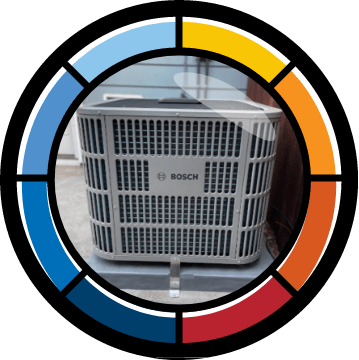
Living within a mile of the Pacific Ocean means your HVAC system is fighting a constant battle against salt air corrosion that most standard units aren’t built to win. If you’re considering a mitsubishi mini split installation in Redondo Beach, you already know that off-the-shelf solutions don’t last in our marine climate. You shouldn’t have to choose between a comfortable home and a unit that rusts away. We understand that protecting your property investment requires a system that is as resilient as it is efficient.

This guide demonstrates how precision-engineered ductless technology offers the technical reliability needed to thrive on the coast. You’ll learn how to address the 2026 Title 24 energy codes and the mandatory shift to R-454B refrigerants now that federal tax credits have expired. We will walk through the specific engineering requirements for coastal durability, the advantages of working with an Elite Dealer, and the steps to ensure your new heat pump meets every local building standard for safety and long-term performance.

Key Takeaways

  • Learn how to mitigate the corrosive effects of Redondo Beach’s marine microclimate using equipment specifically engineered for high-humidity coastal environments.
  • Discover the technical advantages of Mitsubishi’s SEER2 ratings and Hyper-Heating technology for consistent comfort and lower operational costs.
  • Understand why precise BTU sizing is the most critical factor during a mitsubishi mini split installation redondo beach to prevent short-cycling and indoor mold growth.
  • Navigate the 2026 Redondo Beach Building Division permit requirements and new California energy codes to ensure your project is fully compliant and safe.
  • See how an inspection-first philosophy ensures your ductless system is installed with the same rigor required for high-stakes real estate transactions.

Challenges of Coastal Climate: Why Redondo Beach Requires Specialized HVAC

Redondo Beach homeowners face environmental variables that standard air conditioning systems aren’t engineered to handle. While inland areas like Torrance or Gardena deal with dry heat, the coastal zip codes of 90277 and 90278 are defined by high humidity and a persistent marine layer. This environment is highly corrosive. If you install a generic “builder-grade” unit, the salt air will likely degrade the internal components long before the mechanical lifecycle should end. Precision engineering is a requirement for longevity here, not an upgrade.

The phenomenon known as “June Gloom” creates a specific technical challenge for local climate control. This isn’t just about overcast skies; it represents a period of sustained high humidity that forces HVAC systems to work harder at dehumidification rather than just sensible cooling. A mitsubishi mini split installation in Redondo Beach is often the preferred choice because these inverter-driven systems operate at variable speeds. They manage moisture levels effectively without the massive energy spikes seen in older central air units that only have two settings: on and off.

Salt Air Corrosion and Marine Layer Impacts

Salt particles from the Pacific Ocean are microscopic and travel several miles inland. These particles settle on the aluminum fins of a condenser, where they accelerate oxidation. Without specific hardware defenses, the heat exchange process fails as the fins crumble. This is why we prioritize Mitsubishi units that feature specialized protective coatings. These treatments provide a chemical barrier that prevents salt from bonding to the metal surfaces. Galvanic corrosion occurs when two dissimilar metals come into contact in the presence of an electrolyte, such as salt-laden moisture, causing the more active metal to corrode at an accelerated rate.

Adapting HVAC to Redondo Beach Housing Vintages

The housing stock in Redondo Beach varies significantly, requiring different mechanical approaches for each neighborhood. Many 1950s ranch-style homes in North Redondo have limited attic clearance and no existing ductwork. Retrofitting these with traditional central air is often cost-prohibitive and structurally invasive. Ductless mini-splits solve this problem by requiring only a small three-inch wall penetration for the line set, preserving the home’s structural integrity.

In contrast, modern South Redondo teardowns and multi-story rebuilds often face “hot spots” on upper floors that central air cannot reach effectively. A multi-zone mitsubishi mini split installation in Redondo Beach allows for granular control in these vertical layouts. This is also the ideal solution for newly constructed Accessory Dwelling Units (ADUs). These compact spaces require precise BTU sizing; a standard central unit is far too large, while a ductless system provides the exact capacity needed for a 500-square-foot footprint without wasting energy.

Why Mitsubishi Ductless Systems Lead the Redondo Beach Market

Mitsubishi systems are engineered to meet and exceed the 2026 efficiency standards, which require residential heat pumps to maintain a minimum SEER rating of 14. For homeowners pursuing a mitsubishi mini split installation in Redondo Beach, these systems provide industry-leading SEER2 ratings that significantly lower monthly utility bills. The technical superiority of these units is evident in their inverter-driven compressors. Unlike traditional systems that cycle on and off, Mitsubishi units adjust their speed to match the exact cooling load of the room. This precision prevents the energy spikes that often occur with older central air setups.

According to the U.S. Department of Energy, Ductless Minisplit Heat Pumps are often more efficient because they avoid the energy losses associated with the ductwork of central forced-air systems. In the densely packed neighborhoods of Redondo Beach, noise pollution is a significant concern for both homeowners and their neighbors. Mitsubishi units are designed for whisper-quiet operation, with some indoor models operating at decibel levels lower than a human whisper. This quiet performance is complemented by aesthetic flexibility; homeowners can choose between wall-mounted units, low-profile floor mounts, or recessed ceiling cassettes to match their interior design.

Technical resilience is another hallmark of the brand. While Southern California is known for its mild weather, rare cold snaps can still occur. Mitsubishi’s Hyper-Heating (H2i) technology ensures the system maintains 100% heating capacity even when outdoor temperatures drop significantly. This reliability provides peace of mind that your home environment will remain stable regardless of external conditions.

The Mitsubishi Elite Dealer Difference

Achieving Elite Dealer status requires a commitment to rigorous factory training and technical proficiency that goes beyond standard HVAC licensing. When you choose an authorized professional for your mitsubishi mini split installation in Redondo Beach, you gain access to an exclusive 12-year parts and compressor warranty. This extended protection is only available through Elite Dealers and serves as a testament to the system’s longevity. Factory-authorized installation ensures that every refrigerant line and electrical connection meets exact manufacturer specifications, preventing the mechanical failures that often plague uncertified installations.

Zoned Comfort: Tailoring Airflow to Your Lifestyle

Multi-zone systems provide the ability to establish independent temperature control in every room of the house. This is particularly valuable in multi-story coastal homes where the sun-facing side of the building may require more cooling than the shaded side. By cooling only the rooms currently in use, you eliminate the waste of energy associated with traditional “whole-house” cooling. This granular approach to climate control is a cornerstone of modern expert ac installation in los angeles. If you want to ensure your home is ready for the next heatwave, it’s wise to consult with a technical specialist who understands these advanced configurations.

Mitsubishi Mini Split Installation in Redondo Beach: The 2026 Coastal Homeowner’s Guide

Avoiding Common Installation Pitfalls in Beach Cities

Precision in the installation phase is just as critical as the quality of the hardware itself. Even the most advanced system will underperform if the technical execution lacks attention to detail. For a mitsubishi mini split installation in Redondo Beach, the most frequent errors involve improper placement and incorrect capacity planning. When a system isn’t calibrated for the specific thermal envelope of a coastal home, it leads to mechanical strain and premature component failure. We prioritize a neutral, evidence-based assessment of your home’s needs to ensure the installation survives the local environment.

Short-cycling is a primary concern when technical specifications are ignored. This occurs when a unit is too powerful for the space it serves. The system reaches the target temperature so quickly that it shuts down before it can complete a full dehumidification cycle. In our humid marine climate, this leaves moisture in the air, creating an environment ripe for microbial growth. Proper mitsubishi mini split installation in Redondo Beach requires a Manual J load calculation to match the equipment capacity to the actual heat gain of the room. This ensures the unit runs long enough to pull moisture from the air without overworking the compressor.

Outdoor unit placement requires a strategic approach to minimize salt exposure. Installing a condenser in the direct path of prevailing sea breezes without protection is a recipe for rapid oxidation. We look for shielded locations or utilize wind baffles to redirect salt-laden air. Line-sets must be sealed with high-grade elastomeric insulation and protected by UV-resistant decorative covers. If the wall penetration isn’t hermetically sealed, coastal moisture will migrate into the wall cavity, leading to structural rot that is often hidden until it becomes a major insurance claim.

Precision Sizing for ADUs and Garage Conversions

Garage conversions are popular in North Redondo, but they present unique insulation challenges. A finished garage often has uninsulated concrete floors and varying wall R-values that differ from the main house. A common mistake is installing a 24,000 BTU unit in a 400-square-foot ADU. This is almost always an over-specification. While “more power” sounds better, it actually guarantees high humidity and frequent mechanical starts. A technical load calculation accounts for ceiling height, window orientation, and insulation types to find the exact BTU requirement for consistent comfort.

The Physics of Condensate Drainage

Drainage failure is the leading cause of interior water damage in mini-split systems. In modern South Redondo multi-story homes, routing a drain line with a consistent 1/4-inch per foot downward slope can be difficult. If gravity drainage isn’t physically possible, a high-quality condensate pump is required. We see many “rookie” installs where drain lines are run with slight uphill sections or “belly” traps that collect stagnant water. These errors lead to backups that ruin drywall and flooring. Every drain system must be tested under full load during the final inspection to verify that the physics of the installation are sound.

Planning Your Redondo Beach Mini Split Project

A successful mitsubishi mini split installation in Redondo Beach follows a structured sequence that begins long before the first hole is drilled. Our process starts with a comprehensive site evaluation to determine the optimal placement for both indoor and outdoor components. This evaluation includes a review of your existing electrical service. While Mitsubishi heat pumps are remarkably efficient, they require a dedicated circuit. If your home’s electrical panel is already at capacity, an upgrade may be necessary to ensure the system operates safely and meets the 2026 California Electrical Code requirements. This methodical approach prevents delays and ensures the final system performs to its rated specifications.

Coordination with Homeowners Associations (HOAs) is another critical planning step for residents in managed communities. Most architectural committees require specific documentation regarding the outdoor unit’s location, line-set routing, and noise output. We provide the technical data sheets needed to secure these approvals quickly, preventing potential fines or required relocations after the job is finished. Following the site survey and HOA clearance, we move into the permitting phase, ensuring every aspect of the project aligns with the Redondo Beach Building Division’s safety standards. If you are ready to begin the technical evaluation of your property, you can schedule a consultation with our local experts today.

Navigating Local Permitting and Standards

The 2026 California Energy Code (Title 24) mandates that new HVAC installations prioritize high-efficiency heat pumps. Redondo Beach enforces these standards strictly, alongside local noise ordinances that limit the decibel levels of outdoor equipment near property lines. Our team manages the entire permitting process, which typically involves fees ranging from $250 to $400 depending on the project’s specific scope. We ensure that the final installation passes inspection by verifying refrigerant charge and airflow according to state-mandated protocols, protecting your property value during future real estate transactions.

Selecting Your Indoor Unit Aesthetic

Choosing the right indoor unit depends largely on your home’s architecture. For the 1950s ranch-style homes common in North Redondo, floor-mounted units are often the best solution. These units sit low on the wall, avoiding the “crowded” feeling that wall-mounted heads can create in rooms with low ceiling heights. In modern South Redondo homes with attic access, recessed ceiling cassettes offer a nearly invisible profile, with only a decorative grille showing. The Mitsubishi EF series designer units provide a sleek, flat-panel finish that transforms the indoor head into a high-end interior design element rather than a purely functional appliance. Each choice must be balanced against the room’s layout to ensure the air distribution remains uniform and effective.

Expert Mitsubishi Installation by HVAC Inspections Los Angeles

Our approach to mitsubishi mini split installation in Redondo Beach is rooted in our history as a technical inspection firm. Most contractors view an installation as a single transaction. We view it as a long-term mechanical commitment. Because we specialize in professional hvac inspection in los angeles, we understand exactly where other installers cut corners. We treat every project as if it were being evaluated for a high-stakes real estate escrow. This means every fastener, electrical connection, and refrigerant line is checked against a strict safety and performance checklist. Our goal is to provide a neutral, factual assessment of what your home needs and then execute that plan with surgical precision.

Final commissioning is the most critical phase of the installation process. We don’t just turn the unit on and check for cold air. We perform a high-pressure nitrogen test to verify there are zero leaks in the system. Following the pressure test, we use a digital vacuum gauge to ensure the system reaches a deep vacuum of 500 microns or less. This step is essential because any moisture left in the lines will react with the refrigerant and oil. This reaction leads to acid formation that destroys the compressor from the inside out. By adhering to these micron-level standards, we ensure your mitsubishi mini split installation in Redondo Beach lasts for its intended lifespan despite the harsh coastal air.

Our Inspection-First Installation Philosophy

Our inspection-first philosophy means we evaluate the surrounding infrastructure of your home before the new unit arrives. We identify issues like undersized electrical breakers or structural weaknesses that could compromise the system. Understanding the internal mechanics is vital for longevity, as detailed in our ac compressor guide. By addressing these foundational elements first, we ensure the system is built to pass the most rigorous technical evaluations and building codes.

Protecting Your Investment with Long-Term Support

Coastal environments require a proactive maintenance strategy. Salt air doesn’t stop attacking your unit after the installation is complete. We offer scheduled maintenance plans that focus on rinsing heat exchangers and applying supplemental corrosion inhibitors to the outdoor coils. Our local team provides rapid response times for residents in Redondo, Hermosa, and Manhattan Beach. We remain a steady and reliable presence long after the initial setup. Schedule your Mitsubishi installation consultation today to secure a system that is engineered for safety and technical precision.

Securing Technical Excellence for Your Coastal Property

Protecting a home in Redondo Beach from the corrosive effects of salt air requires more than just high-quality hardware; it demands an installation process rooted in technical precision and local expertise. By selecting a system engineered for marine environments and ensuring it is sized through rigorous load calculations, you prevent the mechanical failures that lead to premature replacement. Our background in professional inspections ensures that every component is placed to maximize efficiency while adhering to the latest 2026 California energy standards.

Choosing a mitsubishi mini split installation in Redondo Beach through an authorized Elite Dealer provides you with a level of security that standard contractors cannot match. This includes exclusive 12-year warranty coverage on parts and compressors, verified by our specialized coastal installation experts. We prioritize the longevity of your mechanical systems to ensure your property remains a safe, comfortable, and efficient investment for years to come.

Schedule Your Mitsubishi Elite Installation in Redondo Beach to begin your transition to a superior climate control solution. We look forward to helping you achieve the highest standards of home comfort and technical reliability.

Frequently Asked Questions

How much does Mitsubishi mini-split installation cost in Redondo Beach?

The total investment for a professional installation depends on several technical variables, including the number of indoor zones, the specific BTU requirements for your home’s square footage, and the complexity of the refrigerant line routing. Additional factors such as the need for an electrical panel upgrade or the installation of decorative line-hides also influence the final cost. A detailed site evaluation is the most reliable way to determine the specific requirements for your property’s infrastructure.

How long do Mitsubishi mini-splits last in a coastal environment?

A high-quality system typically functions for 12 to 15 years, though the salt air in beach communities can accelerate the degradation of unprotected components. Mitsubishi units are often equipped with specialized corrosion-resistant coatings on the outdoor coils to mitigate these environmental risks. Regular maintenance, including the removal of salt deposits from the condenser fins, is a critical requirement for ensuring your equipment reaches its full mechanical lifespan near the ocean.

Do I need a permit for a mini-split installation in Redondo Beach?

Yes, the Redondo Beach Building Division requires a formal permit for all HVAC installations to verify compliance with California’s Title 24 energy standards and local safety codes. This process ensures that the electrical work is performed correctly and that the outdoor unit placement meets city noise ordinances. Obtaining a permit is a necessary step that protects your home’s resale value and ensures the system is legally documented for insurance purposes.

Can a mini-split heat my home during the winter in Southern California?

Mitsubishi mini-splits are advanced heat pumps designed to provide both high-efficiency cooling and reliable heating throughout the year. The integrated Hyper-Heating technology allows the system to maintain consistent indoor temperatures even when outdoor conditions fluctuate during coastal winter nights. This eliminates the need for a separate furnace, providing a streamlined and energy-efficient solution for the moderate heating demands of the South Bay microclimate.

What is the difference between a Mitsubishi Elite Dealer and a regular contractor?

An Elite Dealer has achieved a high level of technical training and factory certification that distinguishes them from general HVAC contractors. This status allows them to provide an exclusive 12-year parts and compressor warranty, offering significantly more protection than standard retail warranties. Selecting an Elite Dealer for your mitsubishi mini split installation in Redondo Beach ensures that the system is commissioned according to the manufacturer’s strict engineering protocols.

Are mini-splits louder than traditional central air conditioning units?

Mini-split systems are engineered for whisper-quiet operation and are generally much quieter than traditional central air conditioners. The indoor units operate at very low decibel levels, often becoming imperceptible once the room reaches the target temperature. Outdoor units are also designed with noise-dampening technology to comply with dense residential zoning laws in Redondo Beach, ensuring that the system does not disturb you or your neighbors during operation.

How many indoor units can I connect to one outdoor Mitsubishi compressor?

A single multi-zone outdoor compressor can support up to eight indoor units, depending on the specific model and the total cooling capacity required. This flexibility allows you to customize the temperature in individual bedrooms, living areas, or ADUs without installing multiple outdoor condensers. A technical specialist will perform a load calculation to determine the optimal number of zones and ensure the outdoor unit is sized correctly for the total demand.

Does a mini-split improve indoor air quality in beach cities?

Yes, these systems utilize advanced multi-stage filtration to capture salt particles, allergens, and dust before they enter your living space. Because ductless systems don’t rely on existing ductwork, they prevent the circulation of accumulated debris often found in older central air systems. For a mitsubishi mini split installation in Redondo Beach, this feature is particularly beneficial for managing the high humidity and airborne particulates common in coastal environments.

Charles Thompson

company icon