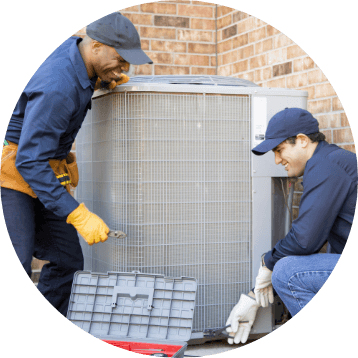
Understanding Trane Heat Pump Technology for Manhattan Beach Homes
Determining the right Trane heat pump for your Manhattan Beach home begins with understanding the technology itself. A Trane heat pump is not a traditional air conditioner or furnace; it is a sophisticated, dual-function system that provides high-efficiency cooling in the summer and effective heating in the winter. Manhattan Beach’s mild, coastal climate is the ideal environment for this technology to perform at its peak, as the system rarely faces the extreme temperatures that can challenge less-advanced equipment.
Trane organizes its products into tiers, primarily distinguished by their compressor technology. Top-tier TruComfort™ Variable Speed systems, like the XV20i, offer precise temperature control by making micro-adjustments to their output. In contrast, two-stage or single-stage systems, like the XR15, operate at fewer, more fixed capacities. As we move into 2026, it’s also critical to understand the new federal efficiency standards, which have replaced the old SEER and HSPF ratings with more rigorous SEER2 and HSPF2 metrics. (Heat Pump Technology Explained)
How Heat Pumps Work in Coastal Climates
The efficiency of a heat pump comes from its method of operation: it moves heat rather than creating it. During summer, it extracts heat from inside your home and transfers it outdoors. In winter, it reverses this process, absorbing ambient heat from the outside air and moving it inside. A heat pump is an all-electric alternative to traditional split systems that use a gas furnace for heating. For homes near The Strand, the powerful dehumidification capabilities of a modern Trane unit are a significant benefit, improving indoor air quality and comfort by removing excess moisture from the salty air.
Trane’s Exclusive Spine Fin™ Coil Advantage
For any home in the 90266 zip code, the primary environmental challenge is salt-air corrosion. This is where Trane’s engineering provides a distinct advantage. Trane’s patented Spine Fin™ outdoor coils are constructed entirely from aluminum, which inherently resists the galvanic corrosion that plagues conventional copper-tube-and-aluminum-fin coils. For homes within a mile of the ocean, this all-aluminum design significantly extends the system’s lifespan and maintains its efficiency over time. This superior durability helps reduce the unofficial “coastal tax” many homeowners pay for frequent equipment replacement, making it a sound long-term investment.
Factors Influencing Trane Heat Pump Cost in Manhattan Beach
The final price tag for a Trane heat pump installation is a composite of several critical factors. While the hardware itself is a major component—with a premium variable-speed XV20i costing significantly more than a single-stage XR15—it’s the local and site-specific variables that truly define the total investment.
- Hardware Costs: The specific model, size (tonnage), and efficiency rating (SEER2/HSPF2) you choose will be the primary driver of the equipment price.
- The “Manhattan Beach Factor”: Labor rates in the South Bay are among the highest in the region. Logistical challenges like limited parking, tight property lines, and local business overhead contribute to the overall project cost.
- Installation Complexity: The location of your indoor and outdoor units matters. An easily accessible closet installation will cost less than a complex attic setup. The condition of your existing ductwork is also crucial; leaky or undersized ducts can add significant costs to the project.
- Electrical Upgrades: Transitioning from a gas furnace to an all-electric heat pump often requires a new, dedicated circuit and may necessitate a main electrical panel upgrade to handle the increased load safely.
System Sizing and Manual J Calculations
One of the most common and costly mistakes in HVAC installation is improper system sizing. Outdated “rule of thumb” estimates often lead to oversized units that are not only more expensive upfront but also short-cycle, failing to dehumidify properly and driving up energy bills. A professional Manual J load calculation is the only way to determine the precise tonnage your home requires. This calculation, which our experts at HVAC Inspections Los Angeles perform, considers your home’s insulation, window quality, orientation, and square footage to ensure the system is perfectly matched to your needs. (Federal Tax Credits for Home Upgrades)
Permitting and Regulatory Costs in 90266
Any HVAC replacement in Manhattan Beach requires a permit from the local Building Division to ensure the work is done to code. This process involves costs related to the permit itself, as well as mandatory California Title 24 compliance testing (known as HERS testing) to verify energy efficiency and duct integrity. Furthermore, local noise ordinances must be considered when placing the outdoor condenser unit to ensure it does not disturb your neighbors, a critical step in a densely populated area. For homeowners navigating a property transaction, ensuring all installations are properly permitted is vital for a smooth closing, a process we specialize in with our escrow HVAC certification services in Manhattan Beach.

Efficiency Ratings and Long-Term Operating Costs
A high-efficiency Trane heat pump is an investment designed to deliver returns through lower monthly utility bills. Calculating the return on investment (ROI) involves comparing the upfront cost of a high-SEER2 unit against the long-term energy savings. In Manhattan Beach, where Southern California Edison (SCE) rates are high, a unit with a 20 SEER2 rating can often pay for its initial price difference in just a few years. However, maintaining that efficiency is paramount, especially in a coastal environment where salt-air buildup can insulate the coil and reduce performance. This makes a consistent maintenance schedule not an expense, but a crucial cost-saving strategy.
SEER2 vs. HSPF2: What Manhattan Beach Owners Should Prioritize
Understanding efficiency ratings helps you choose the right system for our climate.
(IRS heat pump tax credits)
- SEER2 (Seasonal Energy Efficiency Ratio 2): This rating measures cooling efficiency. Given our long, warm summers, SEER2 is typically the most important metric for South Bay homeowners, as it directly impacts your energy bills from May through October.
- HSPF2 (Heating Seasonal Performance Factor 2): This measures heating efficiency. While our winters are mild, a heat pump is still your primary source of warmth. A higher HSPF2 rating directly translates to lower electric bills during the cooler months.
The Cost of Neglect: Coastal Maintenance
In a coastal zone, neglecting maintenance has severe financial consequences. Salt spray forms a corrosive, insulating layer on the outdoor unit’s coil, forcing the compressor to work harder to transfer heat. This not only causes a sharp spike in your energy consumption but also accelerates wear and tear on the system’s most expensive components. Professional coil cleaning is a non-negotiable task for coastal units. Proactive maintenance is always more cost-effective than waiting for a catastrophic failure, helping your system reach its expected HVAC lifespan in Southern California.
2026 Rebates, Tax Credits, and Savings Opportunities
Several federal, state, and local incentives are available in 2026 to help offset the cost of upgrading to a high-efficiency Trane heat pump. Navigating these programs can be complex, but the savings are substantial.
- Federal Inflation Reduction Act (IRA): Homeowners can claim tax credits for qualifying heat pump installations.
- TECH Clean California: This state-level program offers significant rebates for homeowners switching from natural gas furnaces to new, energy-efficient heat pumps.
- Southern California Edison (SCE): The local utility frequently offers its own rebates for the installation of high-efficiency equipment that reduces strain on the electrical grid.
- Manufacturer Rebates: Trane often runs seasonal promotions, providing another opportunity to save. Timing your purchase correctly can make a significant difference.
Maximizing the 25C Tax Credit
The Energy Efficient Home Improvement Credit (25C) allows you to claim up to $2,000 annually for a qualifying heat pump installation. To claim this credit, you will need to keep detailed records of the purchase and installation and ensure the specific model you choose meets the efficiency requirements set by the Department ofEnergy. These federal credits can often be combined, or “stacked,” with local utility and state rebates, maximizing your total savings.
Local Utility and State Incentives
Programs from Southern California Edison and the state, like TECH Clean California, are specifically designed to encourage electrification. Additionally, income-qualifying households may be eligible for point-of-sale rebates through the High-Efficiency Electric Home Rebate Act (HEEHRA). An experienced installation partner, like HVAC Inspections Los Angeles, can help you identify every available incentive and manage the necessary paperwork to ensure you receive the maximum financial benefit.
Why a Professional Inspection is the Best First Step
Before you solicit quotes or choose a Trane model, the most critical step is a comprehensive, professional HVAC evaluation. Many “free” estimates are little more than a sales visit, often skipping the technical diagnostics necessary for an accurate and reliable proposal. Without a thorough inspection, hidden issues like ductwork leaks, insufficient airflow, or an undersized electrical panel can turn your new installation into a costly disappointment.
At HVAC Inspections Los Angeles, our “inspection-first” approach is designed to protect your investment. We believe a neutral, third-party assessment is the only way to guarantee you aren’t being sold equipment you don’t need. Our detailed evaluation ensures your home is truly ready for a high-performance 2026 system.
The Value of a Detailed Evaluation
Our comprehensive inspection process verifies critical system parameters before you commit to a purchase. We check for duct leakage, measure static pressure to ensure proper airflow for variable-speed units, and perform a Manual J load calculation to avoid the “Oversizing Trap” that plagues so many South Bay homes. This detailed report provides a clear, factual baseline of your home’s needs. If you’d like to learn more about our process, you can review our guide on what to expect from an HVAC inspection.
Moving Toward Installation
Armed with an independent inspection report, you can confidently gather competitive, “apples-to-apples” bids from installers. As an authorized provider for both Trane and Mitsubishi, our team at HVAC Inspections Los Angeles has the expertise to not only diagnose your needs but also deliver a flawless installation. We ensure your new Trane heat pump is installed correctly, operates at peak efficiency, and provides reliable comfort for years to come.
Ready to get a clear, unbiased assessment of your Manhattan Beach home’s HVAC needs? Contact HVAC Inspections Los Angeles to schedule your comprehensive evaluation today.