
 Serving Ventura and LA County
 Years of Experience
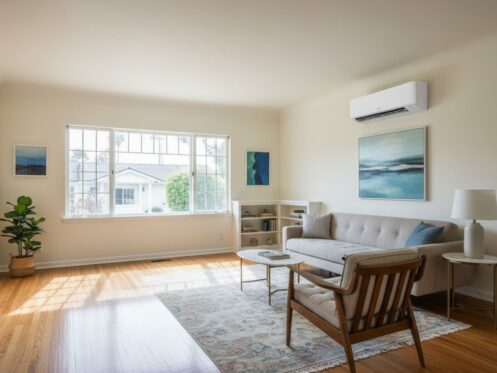
Can you enjoy modern, whisper-quiet cooling in a classic Torrance bungalow without tearing down your lath-and-plaster walls to install bulky ductwork? Most South Bay homeowners feel trapped between soaring utility bills from outdated wall heaters and the fear of compromising their home’s historic integrity. Finding the best hvac system for older homes torrance requires a technical strategy that respects architectural limits while meeting 2026 energy standards.
It’s true that your 100-amp electrical panel and lack of attic space shouldn’t prevent you from having a comfortable, high-value property. You’ll discover how to achieve efficient, non-invasive climate control that fits your specific floor plan without the need for invasive renovations. This guide provides a detailed look at high-performance heat pumps and Mitsubishi ductless systems that qualify for the $2,000 federal tax credit and meet the latest Title 24 requirements. We’ll also explain how to navigate the new R-454B refrigerant standards and the Torrance electronic permit process to ensure your upgrade is safe, legal, and optimized for long-term cost savings.
Key Takeaways
- Learn why ductless mini-splits are often considered the best hvac system for older homes torrance because they preserve original plaster walls and historic aesthetics.
- Understand the “Soffit Tax” and how avoiding new ductwork installations can save thousands in secondary carpentry and drywall costs.
- Explore how zoned climate control allows you to heat or cool specific rooms independently, significantly reducing monthly utility bills.
- Identify the specific Southern California Edison (SCE) rebates and federal tax credits available in 2026 to offset your modernization costs.
- Discover why a professional, neutral HVAC inspection is the essential first step to ensure your electrical panel can support modern heat pump technology.
The Unique HVAC Challenges of Older Homes in Torrance
Torrance is home to some of Southern California’s most distinct residential architecture. From the ornate details of a 1920s Spanish Colonial to the clean lines of a Mid-Century Modern tract in South Torrance, these homes were built long before modern climate control was a standard requirement. Because these properties often feature lath-and-plaster walls and narrow wall cavities, installing traditional central air is frequently a destructive process. It requires cutting large channels through original materials to accommodate 12-inch metal ductwork. This invasive approach can compromise the structural and aesthetic integrity that gives these homes their value.
Many vintage properties in the area still operate on original 100-amp electrical panels. Modern high-efficiency systems, particularly those utilizing advanced Heat Pump Technology, require careful load calculations to ensure the existing service can handle the demand. If your home hasn’t been upgraded to 200-amp service, choosing the best hvac system for older homes torrance becomes a matter of balancing power consumption with performance. Additionally, Torrance homeowners must contend with the “Marine Layer.” This coastal humidity penetrates older, less-insulated homes, making moisture control just as important as temperature regulation. Without a system designed to handle these specific regional conditions, homeowners often face high utility costs and poor indoor air quality.
Infrastructure Limitations of Vintage Properties
Older Torrance homes rarely have the attic or crawlspace clearance needed for modern insulated ducts. If you attempt to force a traditional system into these tight spaces, you risk poor airflow and high energy waste. Homeowners should also be aware of legacy hazards like asbestos insulation or old floor furnaces, which require professional mitigation before any new installation begins. Original single-pane windows further complicate the situation. They allow significant heat gain that can lead to “short-cycling” if a system is improperly sized for the home’s actual thermal envelope.
Why Window Units and Swamp Coolers Fail Torrance Homeowners
While window units are a common stopgap, they present significant security risks and degrade the curb appeal of historic neighborhoods. Swamp coolers are also fundamentally ill-suited for the South Bay. Because they rely on evaporation, they fail to provide relief during humid coastal mornings when the air is already saturated. In quiet residential pockets, the constant drone of a window unit can also lead to noise complaints from neighbors. A low-profile, quiet alternative is the only logical choice for long-term comfort and property value preservation. Selecting the best hvac system for older homes torrance means moving away from these temporary, inefficient fixes in favor of permanent, engineered solutions.
Ductless Mini-Splits: The Best HVAC System for Older Homes
For homeowners in the South Bay, the search for the best hvac system for older homes torrance often leads to a single, high-performance solution: the ductless mini-split. Unlike traditional central air that requires extensive demolition, these units preserve the structural integrity of your property. Installation requires only a small three-inch hole through an exterior wall for the refrigerant lines, power, and condensation drainage. This non-invasive approach is why Ductless Mini-Split Heat Pumps have become the gold standard for retrofitting vintage architecture without sacrificing plaster walls or original crown molding.
Modern Mitsubishi systems utilize advanced Hyper-Heating (H2i) technology. This allows the heat pump to replace an old, inefficient gas furnace entirely. It provides reliable warmth even on the rare chilly coastal nights in Torrance. These systems use inverter-driven compressors, which adjust their speed to match the exact cooling or heating load of the room. This results in operation that is quieter than a library. It’s a critical feature for the dense, quiet residential neighborhoods found throughout the city. By utilizing zone control, you can cool a primary bedroom while leaving the living room units off, directly reducing your monthly utility consumption.
Mitsubishi Ductless Elite Dealer Advantages
Working with an Elite Dealer ensures you receive the highest tier of technical precision and extended warranty protection. This status signifies specialized training in Mitsubishi’s “Zoned Comfort” philosophy, which is essential for multi-story Spanish Colonial or Craftsman homes. These systems integrate seamlessly with 2026 smart home standards, allowing you to manage individual room temperatures via a smartphone. If you aren’t sure where to start, a professional residential HVAC inspection can verify your home’s compatibility with these advanced systems.
Aesthetic Options for Historic Interiors
Preserving the visual character of a historic interior is a priority for many Torrance residents. While wall-mounted units are common, floor-mounted models can be installed where a traditional radiator once sat, blending into the room’s layout. For a truly “invisible” solution, ceiling cassettes sit flush with the ceiling, distributing air in four directions. On the exterior, low-profile line-set covers can be color-matched to your home’s paint. This ensures the modern upgrade doesn’t clash with your vintage curb appeal.
Comparing Ducted vs. Ductless Retrofits for Torrance Properties
Selecting the best hvac system for older homes torrance requires a careful analysis of the Total Cost of Ownership (TCO) over a 15-year period. While a traditional central air system might appear more affordable during the initial bidding phase, the long-term expenses often tell a different story. In 2026, South Bay homebuyers prioritize energy independence and low operational costs. High-efficiency Mitsubishi ductless systems frequently offer higher SEER2 ratings than their ducted counterparts, leading to significant monthly savings that offset the initial investment within a few years.
One of the most overlooked expenses in vintage home retrofits is what industry professionals call the “Soffit Tax.” Because early 20th-century homes weren’t designed with 12-inch duct runs in mind, contractors often have to build drywall boxes, or soffits, to hide the infrastructure. This adds thousands of dollars in secondary carpentry, plaster repair, and painting costs. By contrast, a ductless installation avoids these structural alterations entirely. This preserves the original ceiling heights and architectural details that define the value of a Torrance property. When evaluating your options, consult the latest California Residential Energy Rebates to see how different system types impact your eligibility for state-level financial incentives.
When a Trane Ducted System Makes Sense
There are specific scenarios where a high-efficiency Trane ducted system remains a viable choice. If your property already has a functional duct network that is properly sized and insulated, a simple equipment swap might offer the best return on investment. Larger, multi-generational homes sometimes benefit from a hybrid “dual-fuel” approach, combining a gas furnace with an electric heat pump. These systems also allow for advanced whole-home air purification and filtration systems to be integrated directly into the forced-air stream, which is a priority for residents sensitive to seasonal allergens or coastal humidity.
The Hidden Costs of Forced Air in Old Houses
Forced air systems in vintage homes are often plagued by significant energy waste. Statistics from energy audits suggest that old or poorly installed ductwork can leak between 20% and 30% of your conditioned air into unconditioned spaces like attics or crawlspaces. This forces your equipment to work harder, shortening its lifespan and inflating your utility bills. Before committing to a specific technology, a professional HVAC inspection is the most critical first step. This evaluation identifies structural bottlenecks and ensures you aren’t paying for a high-tonnage system that your home’s thermal envelope or electrical panel cannot support.
Maximizing Efficiency: Rebates and the Torrance Climate
Selecting the best hvac system for older homes torrance requires more than just picking a high-efficiency brand; it involves navigating a complex landscape of 2026 financial incentives and coastal environmental factors. While federal tax credits under the Inflation Reduction Act have historically offered up to $2,000 for qualifying heat pumps, the 2026 landscape focuses heavily on state-level programs and utility-specific rebates. For instance, Southern California Edison (SCE) continues to offer bill credits for smart thermostat integration and enhanced rebates for high-performance equipment. Homeowners should be aware that popular programs like TECH Clean California and HEEHRA are currently operating on a waitlist basis as of early 2026. This makes it essential to verify current funding levels before signing an installation contract.
The “South Bay Swell” brings a unique set of challenges that standard HVAC systems often fail to address. Torrance’s coastal humidity can lead to “short-cycling” if a system is oversized for the home’s square footage. When a unit is too large, it reaches the target temperature so quickly that it fails to run long enough to remove moisture from the air. This leaves the home feeling “cold and clammy” rather than crisp and comfortable. High-performance Mitsubishi and Trane systems utilize variable-speed technology to provide constant, low-level dehumidification, which is the key to maintaining indoor air quality in our marine environment.
South Bay Climate Considerations
Salt air corrosion is a silent killer of outdoor HVAC components in Torrance. Standard units often see their aluminum fins deteriorate within five to seven years due to coastal exposure. Investing in premium outdoor units with specialized corrosion-resistant coatings is a technical necessity for longevity. Beyond durability, proper AC installation ensures that condensate drainage is managed correctly to prevent mold growth in the tight crawlspaces or wall cavities common in vintage properties. Optimizing your system for the local 65 to 75 degree “sweet spot” ensures you aren’t overpaying for cooling capacity you’ll never actually use.
Financial Incentives for Modernization
Switching from a legacy gas floor furnace to an electric heat pump offers a clear path to long-term ROI, especially when factoring in the 2026 SoCalGas requirement for closed permits on all new furnace installations. Many homeowners find that the monthly utility savings from a zoned ductless system outweigh the financing costs of the upgrade. To protect your investment, you should document every stage of the modernization for insurance compliance, as updated mechanical systems can positively impact your property’s risk profile. Before you commit to a purchase, schedule an HVAC energy audit to ensure you are maximizing every available local and federal incentive.
The Inspection-First Approach to HVAC Modernization
Most homeowners begin their search for the best hvac system for older homes torrance by calling an installation company. This often results in receiving a high-pressure sales script rather than a technical assessment of the property’s actual needs. A neutral, third-party inspection serves as a critical safeguard against over-selling. It ensures that you don’t invest in a high-tonnage system that your existing 100-amp electrical panel or thin wall cavities cannot support. By prioritizing data over sales quotas, you gain a clear understanding of your home’s thermal envelope, which is the first step toward long-term efficiency and comfort.
At HVAC Inspections Los Angeles, we focus on meticulous data. We evaluate how your home’s original architectural features, such as single-pane windows or lack of attic insulation, will impact the performance of a new heat pump or furnace. If a system is improperly sized, it will short-cycle, leading to increased mechanical wear and higher utility bills. Our evaluation provides the factual foundation you need to choose between a Trane ducted retrofit or a Mitsubishi ductless solution with confidence. We act as a neutral party, providing a detailed report that you can use to solicit accurate bids from contractors.
Safety and Compliance for Real Estate Transactions
As of January 1, 2026, California’s updated Title 24 energy codes apply to major renovations and HVAC replacements in Torrance. Ensuring your new system meets these standards is not just about efficiency; it’s a legal requirement for closing permits through the city’s Citizen Access Portal. Insurance companies have also increased their scrutiny of vintage properties in the South Bay. They often require a professional HVAC inspection to verify gas line integrity and the safety of legacy floor furnaces before renewing a policy. A documented evaluation protects your liability and ensures your home remains a safe, insurable asset during a high-stakes real estate transaction.
Your Path to a Cooler Home
Modernizing a historic home requires a structured, logical sequence to avoid expensive mid-project corrections. Following this methodical approach ensures your installation is both non-invasive and highly efficient:
- Step 1: Schedule a comprehensive evaluation of your current infrastructure to identify electrical bottlenecks and structural constraints.
- Step 2: Receive a neutral, evidence-based report that outlines your home’s specific heating and cooling load requirements.
- Step 3: Use your report to guide a professional installation by Mitsubishi Ductless Elite Experts or Trane-certified specialists.
Don’t leave your comfort or your home’s structural integrity to chance. Schedule your Torrance home HVAC inspection today to get the technical clarity you need for a successful modernization project.
Secure Your Home’s Future Comfort and Value
Modernizing a vintage Torrance property doesn’t have to be a choice between modern comfort and architectural preservation. By selecting the best hvac system for older homes torrance, you protect your home’s structural integrity while significantly reducing monthly utility costs. You’ve learned that ductless mini-splits and high-efficiency heat pumps offer a non-invasive path to year-round climate control, provided they are sized correctly for your home’s unique thermal envelope and 100-amp electrical limits.
The most critical step in this process is obtaining a neutral, data-driven evaluation before committing to an installation. Our team brings over 20 years of local LA expertise and the precision of NATE Certified Technicians to every assessment. As a Mitsubishi Ductless Elite Dealer, we provide the technical clarity needed to navigate 2026 Title 24 codes and maximize federal tax credits. Book Your Specialized Torrance HVAC Inspection & Consultation today to ensure your modernization project is safe, compliant, and optimized for the South Bay climate. Your historic home is ready for a modern upgrade that respects its past.
Frequently Asked Questions
Can I install central air in a home with no existing ductwork?
Yes, you can install central air, but it is often a destructive and expensive choice for vintage Torrance bungalows. This process requires cutting into original lath-and-plaster walls and building soffits to hide bulky ductwork. For most homeowners, a ductless mini-split provides the same cooling power without the need for invasive structural modifications.
Are ductless mini-splits more expensive than traditional HVAC systems?
The upfront equipment cost for a mini-split is often higher, but the total project cost is frequently lower because you avoid secondary carpentry and drywall repairs. When you factor in the energy savings from zoned cooling and the absence of duct leakage, ductless systems provide a superior return on investment over a 15-year lifespan.
How long does it take to install a new HVAC system in an older Torrance home?
A standard ductless mini-split installation typically takes one to three days to complete. In contrast, a full ducted retrofit in a historic property can take a week or more due to the complexity of navigating restricted crawlspaces and attics. The specific timeline depends on the number of zones and the condition of your home’s electrical infrastructure.
Will a new HVAC system require me to upgrade my electrical panel?
An electrical upgrade is not always necessary, but it depends on whether your home has 100-amp or 200-amp service. Modern high-efficiency heat pumps draw less power than older models, but a professional load calculation is required to ensure your panel can safely handle the new equipment under 2026 California building codes.
What is the most energy-efficient way to heat and cool an older home in the South Bay?
A variable-speed heat pump is the best hvac system for older homes torrance because it excels in our moderate coastal climate. These systems use inverter technology to adjust their output to the exact needs of each room. This prevents the energy waste caused by the constant on-and-off cycling of traditional furnaces and air conditioners.
Does a ductless mini-split system count as ‘permanent’ heat for insurance purposes?
Yes, a professionally installed ductless system is recognized as a permanent, primary heat source by insurance companies and real estate appraisers. This is a significant upgrade for older homes that previously relied on wall heaters or floor furnaces. It improves the property’s safety profile and can positively impact future real estate transactions.
How often should I have the HVAC system in my older home inspected?
You should have your system inspected at least once a year to ensure safety and operational efficiency. In coastal areas like Torrance, annual checks are vital for monitoring salt air corrosion on outdoor units. Regular inspections help identify small electrical or refrigerant issues before they lead to costly mechanical failures.
Can I keep my original vintage wall heaters for ‘backup’ after installing a heat pump?
You can technically keep them, but it is rarely advisable due to the safety risks associated with aging gas valves and heat exchangers. Modern heat pumps are more than capable of heating a home even during the coldest South Bay nights. Removing legacy heaters also eliminates potential carbon monoxide hazards and frees up valuable wall space.