In the South Bay real estate market, square footage is your most valuable asset, yet traditional HVAC systems often demand you sacrifice precious closet space or ceiling height just to stay cool. A high-performance compact ductless system design isn’t just a mechanical upgrade; it’s a strategic architectural choice that preserves your home’s layout while meeting the rigorous 2026 California Title 24 energy standards. Whether you’re permitting a new Accessory Dwelling Unit (ADU) or restoring a coastal cottage, you shouldn’t have to choose between a comfortable climate and a clean aesthetic.

We understand that navigating Los Angeles building codes while trying to hide bulky equipment can feel like an uphill battle. This guide will show you how to implement a high-efficiency cooling solution that remains nearly invisible to the eye but significantly reduces your energy bills through precise zone control. We’ll examine how to select the right Mitsubishi or Trane components to ensure your renovation passes local inspections and maximizes available LADWP rebates. By the end, you’ll have a clear roadmap for a system that delivers professional-grade performance without compromising your home’s modern design.

Key Takeaways

  • Learn how removing traditional ducted equipment can reclaim up to 100 square feet of floor space, making it a critical strategy for modern Los Angeles ADU renovations.
  • Understand how a professional compact ductless system design utilizes inverter-driven compressors from Mitsubishi and Trane to maintain precise temperatures across individual zones.
  • Verify how current SEER2 ratings and Title 24 energy standards impact your equipment selection to ensure long-term compliance and maximum efficiency.
  • Discover the five essential design factors, including the necessity of a Manual J load calculation tailored to the specific micro-climates of the South Bay.
  • Identify the technical risks of system oversizing and why professional implementation is required to prevent mechanical failure and high operational costs.

What is Compact Ductless System Design?

Compact ductless system design refers to a high-efficiency Heating, ventilation, and air conditioning (HVAC) configuration engineered for minimal spatial impact and maximum thermal precision. It’s a departure from the “one-size-fits-all” approach of central air, utilizing heat pump technology to provide localized cooling and heating. As of 2026, this design philosophy has become the default for Los Angeles Accessory Dwelling Units (ADUs) and high-end renovations. It allows property owners to meet rigorous California Title 24 energy standards without sacrificing the architectural integrity of their homes.

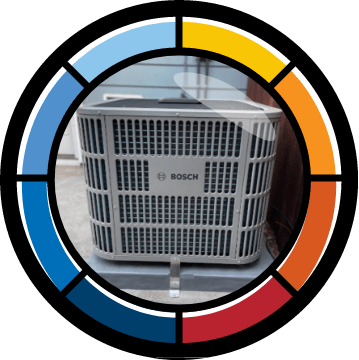
The core of this design involves two primary components: a slim-line outdoor condenser and a series of low-profile indoor air handlers. These systems bypass the need for extensive duct networks, which often require bulky soffits or dropped ceilings that lower your head height. By moving away from centralized air distribution, you gain the ability to control the climate of each room independently. This ensures that energy is only used where it’s actually needed. This level of zone control is essential for the varied micro-climates found across the South Bay, from the humid coast to the warmer inland areas.

The Architecture of Space-Saving HVAC

In many coastal renovations, reclaiming square footage is just as important as the temperature itself. Compact ductless system design is the intersection of variable-speed technology and low-profile hardware. This approach allows homeowners to eliminate the traditional “mechanical closet,” freeing up 50 to 100 square feet for living space or storage. Because these systems use small-diameter refrigerant lines rather than 12-inch metal ducts, they offer significantly more flexibility during installation. These lines can be routed through standard wall cavities or small gaps, preserving the original ceiling height and keeping the home’s aesthetic clean and unobstructed.

Why Traditional HVAC Fails in Compact Layouts

Traditional central HVAC systems are often ill-suited for the small, airtight footprints of modern ADUs or beach cottages. A common technical issue is “short cycling,” which occurs when an oversized central unit reaches the target temperature too fast and shuts down. This leads to uneven temperatures, high humidity, and increased mechanical wear. In older South Bay homes, traditional ductwork often runs through uninsulated attic spaces, leading to significant energy loss before the air even reaches the room. Beyond efficiency, the aesthetic burden of large vents and massive return air grilles can overwhelm a small room’s design. Compact ductless systems solve these issues by providing right-sized cooling that operates quietly and efficiently in any space.

Engineering Performance: Mitsubishi and Trane Compact Technologies

High-performance engineering is what makes compact ductless system design a viable primary cooling strategy for the South Bay’s unique architecture. Modern systems from Mitsubishi and Trane utilize inverter-driven compressors, which act as the mechanical heart of the unit. Unlike traditional central air systems that operate on a binary on-off cycle, inverter technology modulates motor speed to match the exact thermal load of a room. This precision prevents the uncomfortable temperature swings often found in older beach cottages and ensures that the system consumes only the minimum amount of electricity required to maintain comfort.

Energy compliance is a non-negotiable factor for Los Angeles homeowners in 2026. Under the current California Title 24 standards, new installations must meet a minimum efficiency of 15.2 SEER2 and 7.7 HSPF2. Many Mitsubishi models, such as the MSZ-FS Deluxe series, far exceed these benchmarks with ratings reaching up to 33.1 SEER. These high-efficiency ratings are essential for managing utility costs in a region with rising electricity rates. Additionally, multi-zone capabilities allow a single compact outdoor condenser to power up to eight indoor units. This allows for a comprehensive climate solution that covers an entire home without a massive mechanical footprint.

Mitsubishi Electric Diamond Elite Standards

As a Mitsubishi ductless elite dealer, we see how these systems excel in dense urban environments. Their “slim” series condensers are designed to fit into narrow side yards or small balconies where space is at a premium. Beyond cooling, Mitsubishi units incorporate advanced multi-stage filtration systems. These are specifically engineered to remove allergens, urban pollutants, and particulates from wildfire smoke, which is a persistent concern for Los Angeles residents. If you are planning a high-stakes renovation, verifying your equipment choices through a professional HVAC inspection can ensure your design meets both safety and performance expectations.

Trane Reliability in Coastal Environments

For homes in Hermosa Beach or Redondo Beach, salt air corrosion is a significant threat to mechanical longevity. Trane’s compact ductless offerings feature specialized corrosion-resistant finishes that protect sensitive internal components from the marine layer. Their indoor air handlers are engineered to balance high-volume airflow with whisper-quiet operation, often running at decibel levels lower than a human whisper. This durability ensures the system can withstand the high-cycle demands of Southern California summers while maintaining the quiet atmosphere expected in a modern residential design. These units also feature Hyper-Heating technology, which provides reliable warmth during the rare but chilly winter nights without the need for a separate gas furnace.

Design Comparison: Compact Ductless vs. Traditional Ducted Systems

When evaluating the physical impact of climate control, the spatial footprint of your equipment is often the deciding factor. Traditional central systems require a dedicated mechanical closet and a network of 12-inch ducts that consume significant overhead space. A professional compact ductless system design allows you to reclaim 50 to 100 square feet of floor space by removing the need for a central furnace or air handler closet. In a South Bay beach cottage or a compact ADU, this reclaimed area can be the difference between a cramped layout and a functional living space.

The installation timeline also differs drastically between these two technologies. A full duct replacement or new installation typically requires a week of invasive construction, including drywall cutting and structural modifications. In contrast, a multi-zone ductless system can usually be fully commissioned within one to two days. This efficiency minimizes disruption to your daily life and reduces the labor costs associated with extensive home renovations. Both systems require regular professional inspections to maintain efficiency, but ductless units avoid the long-term hygiene and leakage issues inherent in aging metal ductwork.

Zonal efficiency is perhaps the most significant “energy hack” for Los Angeles residents. Central systems force conditioned air into every room, regardless of whether they are occupied. Ductless technology allows you to cool only the primary bedroom at night or a home office during the day. This targeted approach can reduce electricity consumption by 30% to 40% compared to traditional systems that lack sophisticated zone control.

The True Cost of Ductwork in Small Homes

The financial burden of a ducted system often extends beyond the unit itself. Homeowners must account for the hidden costs of soffit construction, framing, and drywall repair required to hide bulky ducts. Many ranch-style homes in the South Bay suffer from “attic heat gain,” where ducts running through uninsulated roof spaces lose significant cooling capacity before reaching the living area. By choosing a ductless layout, you bypass these architectural hurdles entirely. For those planning a transition, reviewing a guide on professional AC installation in Los Angeles can help you quantify these spatial and financial savings before construction begins.

Aesthetic and Sound Considerations

Modern compact units operate at decibel levels lower than a human whisper. This makes them the ideal choice for noise-sensitive areas like nurseries or home offices where a rattling central vent would be a distraction. From a visual standpoint, homeowners can choose between traditional wall-mounted units or recessed ceiling cassettes that sit nearly flush with the ceiling. These cassettes provide a more integrated look that mirrors high-end commercial designs while maintaining the space-saving benefits of a compact ductless system design. This flexibility ensures that your HVAC system supports your interior design rather than dictating it.

Compact Ductless System Design for South Bay LA Homes

The Blueprint: 5 Factors for a Successful Compact Ductless Layout

Moving from the technical specifications to the physical execution requires a methodical approach. A successful compact ductless system design is not merely about choosing a brand; it is about how the hardware integrates with the specific architectural constraints of your home. In the South Bay, where property lines are tight and building codes are strict, every inch of placement must be intentional. Following a structured blueprint ensures that your system operates at peak efficiency while remaining compliant with local standards.

  • Step 1: Conduct a Load Calculation (Manual J): Never rely on a “rule of thumb” based on square footage alone. A Manual J calculation accounts for the specific LA micro-climate, window orientations, and insulation levels. A home in Torrance has different thermal needs than a glass-heavy cottage in Manhattan Beach.
  • Step 2: Selecting the Indoor Unit Profile: You must choose between wall-mounted units, recessed ceiling cassettes, floor mounts, or slim-duct systems. Each has a different impact on airflow and aesthetics.
  • Step 3: Strategic Outdoor Placement: South Bay cities often have rigid noise ordinances. Placing the condenser too close to a neighbor’s window can lead to code violations and fines.
  • Step 4: Planning for Condensate Drainage: In tight walls or ADUs, you must plan for gravity-fed drains or integrated condensate pumps to prevent moisture damage and mold growth.
  • Step 5: Ensuring Service Clearance: A design that is too “compact” can become unserviceable. You must leave enough clearance for future HVAC inspections to ensure the system remains safe and efficient over its lifespan.

Zone Mapping for ADUs and Garage Conversions

Designing for an Accessory Dwelling Unit (ADU) requires a different mindset than a standard home. In these smaller footprints, we recommend a “Primary Zone” strategy. This involves prioritizing the highest cooling capacity in the area where you spend 90% of your time, such as the bedroom or main living area. For garage conversions with limited wall space, floor-mounted units placed under windows are highly effective. This placement saves vertical wall space for art or shelving while providing excellent air distribution across the floor. If you are ready to finalize your layout, you should schedule a professional system evaluation to verify your plans before the drywall goes up.

Coastal Design Challenges in the South Bay

Living near the water introduces environmental variables that can shorten the life of your equipment. In Manhattan Beach, shielding outdoor units from direct salt spray is essential to prevent premature coil failure. We consider stainless steel mounting hardware a non-negotiable requirement for coastal longevity. Additionally, managing humidity is a primary concern. A well-designed system will focus on dehumidification without over-cooling the space, which is critical for maintaining comfort in damp coastal air. This balance prevents the “clammy” feeling often associated with improperly sized systems.

Professional Implementation: Why Precision Design Matters

Precision in compact ductless system design is the primary safeguard against mechanical inefficiency and premature equipment failure. Homeowners often assume a larger unit provides better cooling, but oversizing is a critical technical error in small-footprint designs. If a system is too powerful for the square footage, it reaches the target temperature before it can properly dehumidify the air. This results in a “clammy” environment and forces the compressor to cycle on and off frequently. This short cycling increases energy consumption and places unnecessary strain on the inverter motor, often leading to costly repairs within the first few years of operation.

Ensuring compliance with 2026 California Title 24 energy standards requires a documented approach that proves the system meets specific cooling and heating loads. This is especially vital during real estate transactions in the South Bay. A neutral third-party inspection provides an objective assessment of whether a system was designed for longevity or simply installed for a quick sale. HVAC Inspections Los Angeles bridges the gap between expert sales and meticulous evaluation, providing homeowners and industry professionals with a factual baseline of a system’s health and compliance status.

The Value of a Mitsubishi Ductless Elite Dealer

Working with a Mitsubishi ductless elite dealer offers significant advantages for complex renovations. These professionals have access to specialized technical training and extended warranties that standard contractors cannot provide. This expertise is critical during the commissioning phase, where the system is calibrated to perform exactly as designed. Elite dealers also have priority access to the latest 2026 compact models, ensuring your home utilizes the most advanced refrigerant technology available under current environmental regulations. This level of precision ensures that your investment is protected from the day the power is first turned on.

Protecting Your Investment with Regular Inspections

Compact systems involve sophisticated electronics and multi-zone logic that require specialized oversight. Regular furnace maintenance and air conditioning checks are necessary to identify “silent” failures, such as minor refrigerant leaks or sensor drifts, before they escalate. In a multi-zone configuration, a failure in one indoor unit can sometimes impact the efficiency of the entire system. A structured inspection schedule ensures that every component, from the slim-line condenser to the recessed ceiling cassettes, remains in peak condition. Schedule your professional HVAC inspection or design consultation today to verify your system’s performance and ensure long-term operational safety.

Secure Your Home’s Climate and Future Value

Designing a modern home in the South Bay requires balancing thermal comfort with spatial efficiency. A professional compact ductless system design ensures you don’t have to sacrifice square footage or aesthetic appeal to meet strict California Title 24 energy codes. By selecting high-performance technology from Mitsubishi or Trane, you secure a reliable solution that handles coastal humidity and urban pollutants with technical precision. These systems provide the zone control necessary to manage energy costs while maintaining a whisper-quiet environment in every room.

As a Mitsubishi Ductless Elite Dealer and Trane Authorized Provider, we specialize in the specific demands of Los Angeles real estate and insurance inspections. Whether you’re finalizing an ADU floor plan or preparing a property for a high-stakes transaction, verifying your HVAC implementation is a critical step in protecting your investment. We prioritize neutral, evidence-based assessments to ensure your system delivers long-term safety and performance. Book Your Los Angeles HVAC Design Consultation today to confirm your home meets the highest standards of efficiency. You can move forward with confidence knowing your mechanical systems are built to last.

Frequently Asked Questions

Can a compact ductless system cool an entire 1,200 sq. ft. home?

Yes, a multi-zone compact ductless system is capable of cooling a 1,200 sq. ft. home by utilizing a single outdoor condenser connected to multiple indoor units. Each indoor head is sized based on the specific load requirements of individual rooms. This approach ensures efficient cooling without the energy losses associated with traditional ductwork. Proper sizing via a Manual J calculation is required to ensure the system handles the total square footage effectively during peak South Bay summer temperatures.

Do I need a separate unit in every room of my ADU?

You don’t always need an indoor unit in every room if the ADU features an open-concept layout. Airflow can often circulate effectively from a single high-capacity head into adjacent smaller spaces like a kitchenette. However, partitioned rooms such as bedrooms or home offices usually require their own dedicated units to maintain precise temperature control. A strategic compact ductless system design balances the number of indoor heads to maximize comfort while minimizing equipment costs.

How much space does the outdoor unit actually require?

Modern slim-line condensers require significantly less space than traditional central air units. Most compact models from Mitsubishi or Trane only need approximately 6 to 12 inches of clearance from the wall and about 24 inches of clear space in front for proper heat discharge. This small footprint makes them ideal for narrow side yards or balconies common in Manhattan Beach and Hermosa Beach. Always verify local building codes regarding setbacks from property lines before final placement.

Are ductless mini-splits allowed by LA homeowner associations (HOAs)?

Most Los Angeles HOAs allow ductless systems, provided the installation meets specific aesthetic and noise guidelines. Many associations require that outdoor condensers be screened from public view or placed in locations that don’t disturb neighbors. Because compact units operate at very low decibel levels, they are often easier to get approved than louder traditional systems. It’s essential to submit your design plans to your HOA board for review to ensure compliance with community bylaws before starting work.

What is the difference between a wall-mount and a ceiling cassette design?

Wall-mount units are installed high on a wall and are the most common and cost-effective option for many renovations. Ceiling cassettes are recessed into the ceiling, with only a decorative grille visible, offering a more integrated and “invisible” aesthetic. While cassettes save wall space for furniture or art, they require sufficient clearance in the ceiling joists for installation. Both options provide high-efficiency performance, but the choice often depends on your home’s structural layout and design preferences.

How often should I have my compact ductless system inspected in Los Angeles?

We recommend a professional inspection at least once per year to maintain system safety and efficiency. Regular evaluations are critical for identifying issues like blocked condensate drains or refrigerant leaks that can lead to mechanical failure. In coastal South Bay environments, salt air can accelerate the corrosion of outdoor components, making annual checks even more important. Consistent maintenance ensures your system meets the longevity expectations of high-quality brands like Mitsubishi and Trane while keeping energy bills low.

Can I integrate my compact ductless system with a Nest or Ecobee thermostat?

You can integrate these systems with popular smart thermostats like Nest or Ecobee by using a specialized third-party interface or adapter. While ductless systems often come with their own proprietary controls, these adapters allow the units to communicate with your existing smart home ecosystem. This integration provides a centralized way to manage your home’s climate and schedule. However, ensure the interface is professionally installed to prevent communication errors that could disrupt the variable-speed functionality of the inverter compressor.

Will a compact ductless system improve the resale value of my LA property?

A professionally installed compact ductless system design often increases property value by offering modern, energy-efficient climate control that appeals to tech-savvy buyers. In the competitive Los Angeles market, having a system that complies with 2026 Title 24 standards is a significant selling point during real estate inspections. Buyers appreciate the benefits of zone control and lower utility costs, especially in homes without existing ductwork. This upgrade modernizes older South Bay housing stock, making the property more attractive during high-stakes transactions.

Charles Thompson

company icon