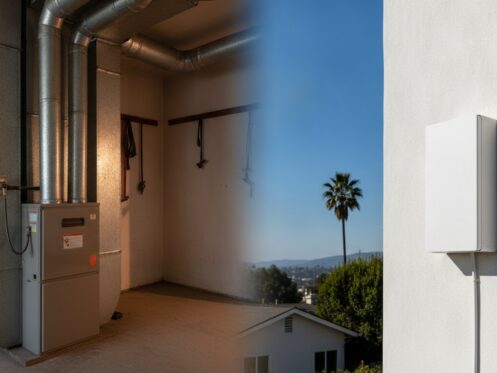
With SoCalGas rates climbing over 40% in the twelve months leading up to early 2026, the choice between a heat pump vs furnace in southern california has shifted from a simple home upgrade to a critical financial strategy. You’ve likely felt the impact of these rising utility costs and may feel overwhelmed by the latest California electrification mandates. It’s understandable to worry if a heat pump can truly maintain comfort during a damp coastal winter or if sticking with a traditional furnace will eventually hurt your home’s resale value.

This guide provides a technical, objective look at which system delivers the best efficiency and long-term value for our specific regional climate. We’ll examine how the 2025 Title 24 building code updates, effective as of January 1, 2026, change the requirements for your next installation. You’ll also learn how to navigate the current rebate landscape, where Los Angeles homeowners can stack up to $10,220 in active incentives, and why transitioning to a high-efficiency system like a Mitsubishi or Trane can secure your property’s future-readiness while significantly lowering your monthly overhead.

Key Takeaways

  • Understand why Southern California’s mild climate makes “heat transfer” technology more energy-efficient than traditional gas-based “heat generation.”
  • Learn how to evaluate SEER2 and HSPF2 ratings to ensure your equipment meets the technical standards required for 2026 utility savings.
  • Discover how the choice between a heat pump vs furnace in southern california impacts your property’s appraisal and long-term resale value.
  • Identify the specific Title 24 building standards that now prioritize “electric-ready” configurations for all new residential permits in Los Angeles.
  • Gain insights into why a professional HVAC inspection is critical for identifying mechanical defects that standard home inspectors often overlook during escrow.

The Southern California Heating Paradox: Do You Really Need a Furnace?

Southern California homeowners face a unique mechanical dilemma. Our region experiences what engineers call a “heating paradox.” While most of the country relies on heavy-duty heating for months, Los Angeles residents typically only require supplemental warmth for approximately 400 hours per year. This limited usage window makes the choice of a heat pump vs furnace in southern california a matter of operational logic rather than raw power. A heat pump serves as an all-in-one heating and cooling solution specifically optimized for these mild climate conditions.

In beach cities like Hermosa Beach and Redondo Beach, where the Pacific Ocean regulates temperatures, a traditional furnace is often technical “overkill.” These systems are designed to combat sub-zero temperatures, yet they spend most of their life cycle sitting idle in a coastal garage or attic. The core difference lies in physics. A furnace relies on “heat generation,” creating thermal energy from scratch. In contrast, understanding how a heat pump works involves the concept of “heat transfer,” which moves existing ambient heat from the outside air into your home.

How Furnaces Work in LA Homes

Traditional furnaces operate through combustion. They burn natural gas to heat a metal component called a heat exchanger. Your blower motor then pushes air over this hot metal and into your living space. This process was the historical standard in older Los Angeles neighborhoods because gas was once cheap and abundant. However, this method creates a “blast of heat” effect. The system stays off until the house is cold, then fires up to dump high-temperature air into the room. It’s a binary, less precise approach to comfort that often leads to significant temperature swings and unnecessary energy spikes.

The Heat Pump Alternative

Heat pumps utilize a reversible refrigerant cycle. In the summer, they act as an air conditioner by pulling heat out of your home. In the winter, the process reverses. Even when it feels chilly outside, there’s still thermal energy in the air. The system extracts this heat and moves it indoors. The 40°F to 60°F range is the “sweet spot” for this technology, making it perfectly suited for Southern California’s overnight lows. For homeowners on smaller South Bay lots, these systems also offer space-saving benefits. By combining heating and cooling into a single outdoor unit, you reclaim valuable square footage that would otherwise be occupied by separate AC and furnace components.

Efficiency and Operational Costs: Heat Pump vs. Gas Furnace

The financial math of home climate control has changed significantly over the last year. When evaluating a heat pump vs furnace in southern california, you must look beyond the initial purchase price and analyze the total cost of ownership. Recent data shows that SoCalGas rates climbed over 40% in the twelve months leading up to February 2026. This surge has made traditional gas heating increasingly expensive, even during our limited winter months. For homeowners with solar panels, the shift is even more dramatic. An electric heat pump allows you to leverage your own energy production, potentially reducing your heating and cooling costs to near zero.

Understanding SEER2 and HSPF2 in 2026

Efficiency is now measured by more rigorous testing standards known as SEER2 (for cooling) and HSPF2 (for heating). These metrics reflect real-world performance in the varying Southern California humidity and temperature shifts. High-performance systems, such as the Mitsubishi GX series, achieve SEER2 ratings as high as 28.4, which far exceeds the baseline requirements. While a high-efficiency unit requires a larger upfront investment, the annual energy savings in regions like Orange County typically range between $600 and $1,200. Over the 15-year life of the system, these operational savings often exceed $20,000.

Maintenance logic also favors the heat pump. A traditional setup requires you to maintain two distinct mechanical systems: a gas furnace and a separate air conditioner. A heat pump integrates these functions into a single unit. This reduces the number of mechanical failure points and simplifies your annual service schedule. Before committing to a specific technology, a professional residential HVAC inspection can help you determine if your existing electrical panel and ductwork are ready for a high-efficiency transition.

The “Hidden” Costs of Gas

Natural gas systems carry secondary costs that many homeowners overlook. Beyond the monthly bill, gas furnaces require dedicated safety infrastructure, including gas line maintenance and specialized venting. The California Title 24 Building Energy Efficiency Standards have steadily increased the requirements for gas-burning appliances to mitigate environmental and safety risks. These regulations reflect a broader state-wide push toward electrification that may impact the availability and cost of gas components in the future.

Safety remains a primary technical concern with combustion-based heating. Every gas furnace poses a potential carbon monoxide risk if the heat exchanger develops a hairline crack. These defects are often invisible to the untrained eye but can lead to dangerous indoor air quality issues. For those who prefer the reliability of gas, premium Trane furnaces offer robust safety features and high AFUE ratings, but they still require more intensive safety monitoring than an all-electric heat pump alternative.

The Regulatory Shift: California Title 24 and Electrification

The regulatory landscape for home heating has reached a definitive turning point in 2026. As of January 1, 2026, the 2025 update to the California Building Standards Code, known as Title 24, is officially in effect. This mandate requires most new residential projects and significant remodels to comply with “electric-ready” standards. For many homeowners, the debate of heat pump vs furnace in southern california is no longer just a matter of personal preference; it is a matter of future-proofing property against evolving state requirements. These codes prioritize heat pump technology due to its superior efficiency and alignment with California’s long-term carbon reduction goals.

Local initiatives in cities like Santa Monica and Los Angeles have accelerated this transition. These municipalities often implement reach codes that go beyond state minimums, encouraging or even requiring all-electric systems during major renovations. While natural gas remains available for existing homes, the infrastructure costs and regulatory pressure are mounting. Selecting a modern heating solution now determines how easily your home will integrate with the power grid of the 2030s and beyond.

Is Natural Gas Being Phased Out in LA?

There is frequent confusion regarding “gas bans” in the South Bay and Greater LA area. While there isn’t a statewide mandate to rip out existing furnaces, the shift toward electrification is undeniable. Choosing a heat pump now protects your home’s resale value by ensuring the HVAC system is compliant with future building codes. If you aren’t ready to go fully electric, a “Dual Fuel” or hybrid system offers a compromise. These setups pair a high-efficiency Trane gas furnace with an electric heat pump, using the gas backup only during rare temperature drops while utilizing the heat pump for the vast majority of our mild coastal weather.

Rebates and Financial Incentives

The financial landscape for 2026 requires careful navigation because many popular programs have changed. The federal 25C tax credit expired at the end of 2025, but state-level opportunities remain significant for those who act quickly. For example, the LADWP currently offers rebates of up to $2,500 per ton for qualifying heat pump installations. However, demand is high; as of February 2026, funds for California’s Home Electrification and Appliance Rebates (HEEHRA) are fully reserved, and new applicants are being placed on a waitlist.

To secure these incentives, technical precision during the planning phase is mandatory. Most rebate programs require specific SEER2 and HSPF2 ratings to qualify for a payout. Investing in a professional ac installation ensures that your equipment meets these rigorous efficiency benchmarks. This methodical approach not only guarantees rebate eligibility but also ensures the system is sized correctly for your home’s specific thermal load, preventing the short-cycling issues that often plague uncertified installations.

Heat Pump vs. Furnace in Southern California: The 2026 Homeowner’s Guide

The Inspection Perspective: What Buyers and Sellers Need to Know

In a high-stakes South Bay real estate transaction, the HVAC system is often the most expensive mechanical variable on the property. While a general home inspector provides a broad overview of a house, they rarely possess the specialized diagnostic tools required to evaluate a heat pump vs furnace in southern california with technical precision. Standard inspections typically only verify that a system turns on and off. This surface-level check often misses internal defects that can lead to thousands of dollars in post-closing repairs. A professional hvac inspection is vital during a South Bay real estate transaction because it provides a definitive assessment of a system’s remaining life cycle and safety status.

Escrow considerations have shifted in 2026. Buyers are increasingly wary of older gas furnaces due to the rising utility costs and regulatory trends discussed earlier. A property equipped with a modern, high-efficiency heat pump is often viewed as a “future-proofed” asset, potentially commanding a higher appraisal value. Conversely, an aging furnace may be flagged as a looming capital expense, giving buyers leverage to request significant closing credits. Sellers who provide a clean, professional inspection report before listing can maintain their price point and avoid the stress of last-minute negotiations.

Common Issues Found in LA Furnaces

Aging gas furnaces in neighborhoods like Manhattan Beach or Torrance frequently exhibit cracked heat exchangers. These hairline fractures are the primary source of carbon monoxide leaks and are nearly impossible to detect without specialized camera equipment. Tight attic spaces in older Los Angeles homes also present ventilation challenges. Flue pipes must have specific clearances from combustible materials to prevent fire hazards. Following a rigorous furnace maintenance checklist helps identify these safety risks before they become a liability during a sale.

Inspecting Modern Heat Pumps

When evaluating a heat pump, the inspection focus shifts to refrigerant charge and compressor health. These systems operate under higher pressures than traditional air conditioners, making precise technical calibration essential. We also evaluate ductwork compatibility. Modern high-static heat pumps require specific duct sizing to move air efficiently. If the ducts are too small, the system will experience “short cycling,” where it turns on and off too frequently. This behavior is a major red flag that indicates the system was poorly sized or installed, leading to premature mechanical failure and inflated energy bills.

Whether you are buying a coastal cottage or selling a family estate, don’t leave your mechanical systems to chance. You can secure a comprehensive evaluation by scheduling a Real Estate HVAC Inspection to ensure your transaction proceeds with full technical transparency.

Choosing the Right System: Mitsubishi and Trane Solutions

Finalizing the decision between a heat pump vs furnace in southern california requires matching the technology to your property’s specific microclimate and architectural constraints. Homeowners in coastal cities like Hermosa Beach and Manhattan Beach face different mechanical challenges than those in inland areas like Torrance. Salt air corrosion and high-density housing make equipment durability and noise levels primary technical concerns. Selecting a premium system from Mitsubishi or Trane ensures that your investment provides reliable comfort while adhering to the strict 2026 efficiency standards.

The role of a Mitsubishi Ductless Elite Dealer is critical during this transition. This designation indicates a high level of technical training and a commitment to precision during the installation process. For Los Angeles properties with limited attic space or complex multi-story layouts, ductless technology often solves the “hot spot” issues that traditional central systems cannot address. By utilizing variable-speed inverter technology, these systems maintain a steady temperature rather than cycling on and off, which reduces mechanical wear and lowers your monthly SCE bill.

Mitsubishi Ductless: Beyond the Window AC

Mitsubishi Ductless Mini-Splits are sophisticated climate control systems that offer precision zoning. You can heat or cool specific rooms independently, which prevents the energy waste of conditioning unoccupied spaces. Their Hyper-Heating (H2i) technology ensures the system remains efficient even on those rare chilly nights when temperatures drop toward 40°F. Beyond efficiency, the silent operation of these units is a significant benefit for South Bay residents living in close proximity to neighbors. These systems operate at decibel levels lower than a whisper, ensuring your home remains a quiet sanctuary.

Trane: The Reliable Choice for Central Heating

For homeowners who prefer the familiar performance of a central air system, Trane furnaces offer unmatched reliability. These units feature high-efficiency gas burners designed to maximize every therm of natural gas. This is a vital consideration given the recent 40% surge in SoCalGas rates. Trane’s reputation for durability is backed by excellent parts availability in the Los Angeles market, which simplifies long-term maintenance and repairs. Pairing a high-efficiency Trane furnace with a modern ac compressor creates a powerful hybrid solution. This configuration allows you to enjoy the benefits of modern cooling while retaining the robust heating capacity of a traditional gas system.

Whether you choose the flexible zoning of a Mitsubishi heat pump or the proven strength of a Trane furnace, the goal remains the same: a safe, efficient, and future-proofed home. An objective evaluation of your home’s existing infrastructure will determine which path offers the best long-term value for your specific Southern California lifestyle.

Securing Your Home’s Comfort and Future Value

The choice between a heat pump vs furnace in southern california is a strategic decision between legacy combustion and modern efficiency. With SoCalGas rates continuing to fluctuate and state electrification mandates now in effect, transitioning to heat pump technology offers a logical path to lower utility bills and increased property value. Whether you opt for the versatile zoning of a Mitsubishi system or the high-output reliability of a Trane furnace, the goal remains the same: a safe, high-performing home that meets the technical standards of 2026.

Protecting your investment requires more than just picking a brand. It demands a neutral, factual assessment of your current mechanical health. As Certified HVAC Inspection Experts serving the South Bay since 2004, we provide the technical precision needed for high-stakes real estate transactions and home upgrades. Our status as a Mitsubishi Ductless Elite Dealer ensures that every installation is calibrated for the specific thermal demands of our coastal climate. Accurate data is the only way to avoid the mechanical failures and operational waste associated with aging systems.

Schedule Your Expert HVAC Inspection or Installation Quote Today to verify your system’s performance and prepare your property for the years ahead. We look forward to providing the clarity you need for a confident decision.

Frequently Asked Questions

Is a heat pump actually warm enough for a Los Angeles winter?

Yes, modern heat pumps are more than capable of maintaining comfort during a typical Los Angeles winter. Since our local temperatures rarely drop below 40°F, these systems operate in their maximum efficiency range. They provide a steady, consistent warmth that avoids the harsh temperature swings often associated with older gas combustion systems.

Will I need to upgrade my electrical panel to install a heat pump in LA?

It depends on your home’s current electrical capacity and the age of your property. Heat pumps require a dedicated 240V circuit, which may necessitate an upgrade if you have an older 100-amp panel. A technical evaluation of your existing breaker space and total household load is a standard part of our pre-installation inspection process.

How much can I save on my utility bills by switching from a gas furnace to a heat pump?

Homeowners in the Greater LA area typically see annual energy savings between $600 and $1,200 after making the switch. When comparing a heat pump vs furnace in southern california, the heat pump’s ability to transfer heat rather than generate it through combustion results in significantly lower operational costs. These savings are even more pronounced for homes equipped with solar panels.

Do heat pumps last as long as gas furnaces in coastal areas like Hermosa Beach?

Heat pumps have a similar life expectancy to gas furnaces, typically lasting 15 years with regular maintenance. In coastal environments like Hermosa Beach, salt air corrosion is a technical concern for any outdoor mechanical equipment. Premium brands like Mitsubishi and Trane utilize specialized anti-corrosive coatings on their coils to protect the system from the marine layer’s effects.

What is a dual-fuel or hybrid HVAC system, and does it make sense for SoCal?

A dual-fuel system combines an electric heat pump with a gas furnace backup. This configuration makes sense for homeowners who want the high efficiency of electric heating for 95% of the year but prefer a gas backup for the few nights when temperatures dip. It offers a flexible compromise for those who aren’t ready to commit to a fully electric home.

Are there still rebates available for installing a new furnace in 2026?

Yes, limited rebates are still available for high-efficiency gas furnaces that meet specific AFUE ratings. While most 2026 state incentives prioritize electrification, SoCalGas continues to offer smaller rebates for units that exceed 97% efficiency. It’s important to verify current program status, as many of these funds are reserved quickly at the start of the year.

What happens to a heat pump during a power outage compared to a gas furnace?

Both systems will fail to operate during a power outage. While a furnace uses gas for heat, it still requires electricity to power the blower motor, sensors, and thermostat. Neither system is “outage-proof” without a dedicated backup power source like a generator or a home battery system.

Can I use my existing ductwork if I switch from a furnace to a heat pump?

Most existing ductwork is compatible, but a professional evaluation is required to ensure proper airflow. High-efficiency heat pumps often require specific static pressure levels to operate correctly. If your current ducts are undersized or leaky, they can cause the system to short-cycle, which reduces the overall efficiency of the heat pump vs furnace in southern california comparison.

Charles Thompson

company icon