 Serving Ventura and LA County
 Years of Experience
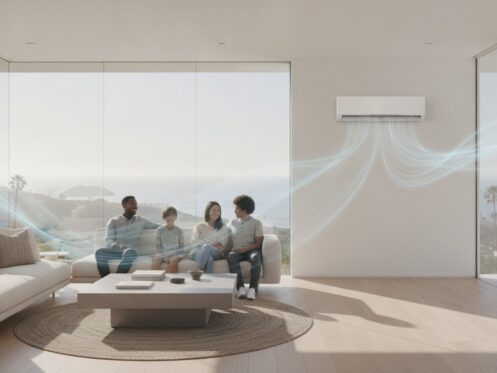
Why does your home still feel like a magnet for dust and allergens even when the windows stay shut against the Los Angeles haze? You’re not alone in feeling that persistent cleaning isn’t enough to stop respiratory irritation, and many neighbors are now improving indoor air quality with new hvac systems to address these chronic concerns. For many South Bay and LA homeowners, the struggle against wildfire smoke intrusion and microscopic pollutants is a daily reality that standard housecleaning simply cannot solve.
You’ll discover how modern systems, including high-efficiency heat pumps and specialized filtration, can turn your living space into a true sanctuary of breathable air. This guide explores the technical requirements of the updated Title 24 code, the mandatory shift toward lower-GWP refrigerants like R-454B, and how a meticulous professional inspection ensures your system is sized correctly for maximum purification. By understanding these 2026 standards, you can ensure your home remains a safe and healthy environment through verified technical precision and objective evaluation.
Key Takeaways
- Learn why your HVAC system serves as the mechanical “lungs” of your home and how improving indoor air quality with new hvac technology is essential for managing Los Angeles pollutants.
- Understand the technical interplay between advanced filtration, mechanical ventilation, and humidity control to create a balanced and healthy indoor environment.
- Explore why ductless mini-split systems provide a superior “clean slate” for air purity by eliminating the accumulation of dust and allergens often found in aging ductwork.
- Discover how to combat regional environmental challenges like wildfire smoke and coastal salt air by maintaining positive air pressure within your living space.
- Identify the critical role of a professional inspection in uncovering hidden mechanical failures, such as cracked heat exchangers or moldy coils, that compromise your safety.
Understanding Indoor Air Quality (IAQ) and Your HVAC System’s Role
Indoor Air Quality (IAQ) refers to the chemical, physical, and biological characteristics of the air inside your home, specifically regarding the health and comfort of its occupants. IAQ is defined as the concentration of airborne pollutants and the regulation of humidity levels achieved through consistent fresh air exchange rates and mechanical ventilation. Your HVAC system’s role is much more than managing temperature; it acts as the “lungs” of your property. If the system is aged or poorly maintained, it fails to circulate clean air, leading to a buildup of contaminants. Homeowners who prioritize health are increasingly improving indoor air quality with new hvac installations that feature integrated air purification and advanced engineering.
Modern HVAC design creates a direct link between mechanical precision and reduced respiratory irritants. By using variable-speed motors and sophisticated control systems, new equipment maintains a steady flow of air that prevents the stagnation where pollutants thrive. This proactive approach removes particulates before they ever reach your breathing zone, transforming your home into a controlled environment rather than one subject to the whims of outdoor conditions.
Common Indoor Pollutants in Los Angeles Homes
In the South Bay and greater Los Angeles area, our environment presents unique challenges. Coastal communities like Hermosa Beach often deal with higher humidity levels that encourage mold spore growth within dark, unventilated spaces. Inland, the focus shifts to PM2.5 particulates from heavy freeway traffic and seasonal wildfire smoke. These outdoor intruders find their way inside through small gaps in the building envelope. Additionally, Volatile Organic Compounds (VOCs) from modern building materials and common household cleaners can reach toxic concentrations if the air isn’t regularly exchanged.
Why Older HVAC Systems Struggle with Modern IAQ Standards
Many homeowners find that simply upgrading a filter isn’t enough to solve air quality issues. Older blowers aren’t designed to handle the static pressure required by high-efficiency MERV 13 or MERV 16 filters. If you force a restrictive filter into an old furnace, the motor will likely overheat or fail prematurely. This mechanical limitation prevents older systems from capturing the smallest, most dangerous particulates.
- Stagnant Air: Older units lack the ability to pull in fresh outdoor air, which leads to elevated CO2 levels and a “stuffy” feeling.
- Ductwork Degradation: Aging ducts often develop leaks that create a vacuum. This vacuum pulls in fiberglass insulation fibers and dust from the attic or crawlspace directly into your living areas.
- Moisture Imbalance: Legacy systems often struggle with dehumidification, leaving the air damp enough to support biological growth.
Investing in modern equipment is the most reliable path toward improving indoor air quality with new hvac because it addresses these root causes. A new system provides the power necessary for superior filtration while ensuring that the air you breathe is fresh, filtered, and properly balanced for your specific micro-climate.
The Three Pillars of IAQ: Filtration, Ventilation, and Humidity Control
To achieve a healthy home environment, you must address three specific mechanical functions in unison. Think of Filtration, Ventilation, and Humidity Control as the foundation of your system’s performance. If one pillar is neglected, the others cannot compensate. This often leads to poor air quality even if you’ve recently upgraded your equipment. True success in improving indoor air quality with new hvac technology requires a balanced approach where each component supports the other to maintain a pristine breathing zone.
High-Efficiency Filtration (MERV Ratings Explained)
Filtration is your first line of defense against airborne particulates. Standard one-inch fiberglass filters are designed to protect the mechanical equipment from large dust bunnies, not to protect your lungs. For health benefits, you need a MERV 13 rating or higher to capture viruses, bacteria, and fine smoke particles. Trane systems can be paired with advanced air cleaners that deliver hospital-grade filtration. However, you shouldn’t simply install a high-MERV filter into an older furnace. The increased resistance can cause an undersized blower motor to overheat and fail. Modern systems are engineered to handle this static pressure, ensuring air moves efficiently through dense, high-performance media.
Mechanical Ventilation: Bringing Fresh Air In Safely
Ventilation dilutes indoor pollutants by exchanging stale indoor air with filtered outdoor air. In modern, tightly sealed homes, pollutants like CO2 and Volatile Organic Compounds (VOCs) become trapped. Energy Recovery Ventilators (ERVs) are now a critical part of high-performance installations. These units pre-condition the incoming air using the energy from the outgoing air, so you don’t waste electricity while breathing fresh oxygen. This is especially vital during Los Angeles “stagnant air” days when outdoor smog levels are high but indoor air has become depleted and heavy.
Humidity Management for Coastal and Valley Homes
Ideal indoor humidity should stay between 30% and 50%. In coastal areas like Manhattan Beach or Redondo Beach, excessive humidity can lead to mold growth in closets and behind furniture. Conversely, homes in the Valley often face overly dry air that can irritate respiratory tracts. While your air conditioner naturally removes moisture during the cooling cycle, supplemental dehumidification or humidification may be necessary to maintain the “sweet spot.” Balanced humidity doesn’t just protect your home’s structure; it significantly improves sleep quality and prevents the dry skin issues common in Southern California.
Before you decide on specific components, it’s helpful to understand how your current system is performing. You can schedule a residential HVAC inspection to get an objective look at which of these pillars needs the most attention in your specific living space. Improving indoor air quality with new hvac is a precise science, and starting with a factual assessment ensures you don’t spend money on unnecessary upgrades.
Ductless vs. Ducted Systems: Which Better Protects Your Air?
Choosing between a ducted or ductless configuration is one of the most consequential decisions for homeowners focused on improving indoor air quality with new hvac systems. While both options can be optimized for health, they approach the challenge of purification from different engineering perspectives. The U.S. Environmental Protection Agency identifies three basic strategies to improve indoor air quality: source control, ventilation, and air filtration. Ductless systems excel at source control by removing the ductwork itself, which can often be a primary reservoir for allergens and debris in older Los Angeles properties.
A zoned approach allows for granular control over air purity. In a ductless setup, each room has its own independent filtration system. This prevents the cross-contamination of pollutants from one area of the house to another. Conversely, a central system provides a whole-home solution that can integrate more robust, industrial-grade purification technologies. Selecting the right path requires an objective assessment of your home’s existing infrastructure and your specific respiratory needs.
The IAQ Advantages of Mitsubishi Ductless Mini-Splits
Mitsubishi ductless mini-splits offer what we call an IAQ “clean slate.” Because these units don’t rely on a central network of ducts, there’s no risk of pulling attic dust, rodent dander, or insulation fibers into your living space. These systems feature multi-stage filtration designed to capture odors, common allergens, and microscopic particulates. One of the most practical benefits is the easy-clean filter design. Since the filters are user-accessible, homeowners are more likely to perform the regular maintenance necessary to sustain high air quality. This direct-delivery method ensures that the air is filtered immediately before it enters your breathing zone.
Improving IAQ in Traditional Central Air Systems
For homes with high-quality existing infrastructure, a Trane central system remains a powerful tool for air purification. These systems can be upgraded with high-performance media cabinets and CleanEffects™ technology, which is engineered to remove up to 99.9% of airborne allergens. However, the effectiveness of any central unit is strictly limited by the condition of the delivery system. It is essential to perform a professional ductwork inspection before installing new equipment. If your ducts are leaky or contaminated, even the most advanced filtration will be bypassed as the system draws unfiltered air from unconditioned spaces.
Sustaining air purity requires a commitment to technical precision in maintenance. Ductless systems require monthly filter rinses to prevent airflow restriction, while central systems often benefit from UV light installations to neutralize biological growth on coils. Whether you choose the zoned control of a mini-split or the whole-home reach of a central unit, improving indoor air quality with new hvac depends on matching the technology to your home’s specific mechanical layout.
Strategic Upgrades for Southern California’s Environmental Challenges
Southern California is defined by distinct micro-climates that range from the fine silt of the inland valleys to the heavy, salt-laden air of the coast. Your strategy for improving indoor air quality with new hvac must account for these regional differences. One of the most effective ways to protect your home is by creating “positive pressure.” This occurs when your system is engineered to introduce slightly more filtered air than it exhausts, effectively pushing pollutants out through small cracks in windows and doors rather than allowing them to be sucked inside. A properly sized AC compressor ensures your home remains a sanctuary during intense LA heat waves by maintaining consistent cooling and moisture removal without short-cycling.
Preparing Your HVAC for California’s Fire Season
Wildfire resilience is no longer optional for LA homeowners. Advanced filtration serves as a mechanical shield against the microscopic ash and PM2.5 particulates that characterize fire season. To maintain air purity during a smoke event, follow these technical protocols:
- Activate Recirculation: This prevents the system from drawing in smoke-heavy outdoor air.
- High-MERV Readiness: Ensure your system is equipped with a MERV 13 or higher filter before the season peaks.
- Post-Event Inspection: Verify that ash hasn’t settled on the sensitive electronic components or evaporator coils.
A professional inspection is vital after a fire to ensure your components aren’t compromised. Ash buildup leads to long-term mechanical strain and persistent odors that a simple filter change won’t fix. By improving indoor air quality with new hvac systems designed for high-particulate environments, you provide your family with a reliable defense against the most severe atmospheric challenges.
Coastal IAQ: Managing Salt and Moisture in the South Bay
Coastal environments present a different set of challenges. In Hermosa Beach and Manhattan Beach, the high salt content in the air can lead to rapid corrosion of standard HVAC components. We prioritize Trane and Mitsubishi systems for these areas because they utilize specialized corrosion-resistant coatings on the exterior coils and internal parts. Managing moisture is equally important. Without proper drainage and microbial control on the evaporator coils, coastal systems can develop a “musty” smell that indicates biological growth. A new, high-efficiency system provides the dehumidification power necessary to inhibit this growth before it starts.
Ensuring your system is prepared for these specific environmental stressors starts with a factual assessment of its current health. You can request a residential HVAC inspection to verify that your home is equipped to handle the unique demands of the Los Angeles climate. Our goal is to provide the technical precision needed to keep your air clean and your equipment running efficiently year-round.
Professional Inspection: The First Step to Healthier Indoor Air
Before investing in new hardware, you must understand the current state of your mechanical infrastructure. A standard tune-up often focuses on basic operation, but a comprehensive HVAC inspection is required to identify the root causes of poor air. This evaluation uncovers “hidden” IAQ killers that standard maintenance might overlook. For example, a cracked heat exchanger is a severe safety risk that introduces carbon monoxide into your breathing zone, while a moldy evaporator coil serves as a constant source of biological contaminants. By starting with a factual assessment, you ensure that improving indoor air quality with new hvac technology is based on technical data rather than guesswork.
A professional evaluation also prevents the common mistake of installing an improperly sized system. If an AC unit is too large, it will short-cycle, failing to run long enough to remove humidity. This leads to the damp, “musty” conditions discussed in previous sections. A meticulous inspection provides the foundation for a custom-tailored IAQ installation plan that addresses your home’s specific volume and layout, often utilizing a Manual J load calculation to ensure perfect equipment matching.
Why an IAQ-Focused HVAC Inspection is Essential
An IAQ-focused inspection goes beyond the equipment itself to analyze the entire air delivery path. Technicians test for airflow bottlenecks that trap pollutants in specific rooms, creating “dead zones” of stagnant air. We also verify the integrity of existing ductwork to ensure that new, high-efficiency equipment won’t simply pull in attic dust through legacy leaks. For those involved in property transactions, this inspection provides the objective documentation needed for real estate or insurance compliance, offering peace of mind that the home’s mechanical systems meet 2026 safety standards.
Choosing the Right System for Your Specific LA Neighborhood
Your local environment dictates your equipment needs. A home in Torrance may require different filtration priorities than a property in Manhattan Beach, where salt air corrosion is a primary concern. Working with a Mitsubishi Ductless Elite Dealer ensures that your installation is executed with the technical precision required for these specific demands. Once the inspection is complete, you can move from air quality anxiety to a concrete new AC installation plan. Improving indoor air quality with new hvac is a methodical process that begins with verification and ends with a home that is safe, efficient, and truly breathable.
Securing Your Home’s Environmental Future
Achieving a healthy indoor environment in Los Angeles requires more than a simple filter change. It demands a technical balance between high-efficiency filtration, mechanical ventilation, and precise humidity control. Whether you opt for the zoned precision of a Mitsubishi ductless system or the whole-home reach of a Trane central unit, improving indoor air quality with new hvac technology is an investment in your long-term respiratory health. It’s a proactive way to handle the unique atmospheric challenges of our region, from coastal moisture to seasonal wildfire smoke.
Success begins with an objective evaluation of your current mechanical health. With over 20 years of local LA expertise, we provide the detailed inspection reports required for high-stakes real estate and insurance transactions. As a Mitsubishi Ductless Elite Dealer, we prioritize technical accuracy and safety. Our neutral assessments ensure your new system is sized correctly and don’t include hidden agendas for unneeded repairs. Take the first step toward a cleaner, safer living space by verifying your system’s performance today.
Schedule Your Professional HVAC Inspection with our Los Angeles Experts Today
Frequently Asked Questions
Can a new HVAC system really help with my allergies in Los Angeles?
Yes, modern systems significantly reduce allergy symptoms by using advanced filtration to trap pollen, dust, and other common triggers. A high-efficiency unit moves air more effectively through dense filters that capture microscopic particles before they settle on your furniture. This consistent circulation ensures that airborne irritants are removed, providing a controlled environment for those with respiratory sensitivities in the Los Angeles basin.
What MERV rating is best for homes during California wildfire season?
A MERV 13 rating is the minimum recommended level for capturing the fine smoke particulates that characterize wildfire season. Filters with this rating are dense enough to trap the PM2.5 particles found in wildfire smoke, which standard filters often miss. However, you must verify that your system’s blower motor can handle the increased static pressure of a MERV 13 filter to avoid mechanical failure.
How often should I change my filters to maintain high indoor air quality?
You should check your filters monthly and replace them at least every three months to maintain peak performance. During periods of heavy environmental stress, such as wildfire season or high-pollen months, monthly replacement is often necessary. Regular changes prevent airflow restriction and ensure that the system continues improving indoor air quality with new hvac technology without straining the mechanical components.
Do ductless mini-splits provide better air quality than central air systems?
Ductless mini-splits often provide superior localized air quality because they eliminate the risk of contaminants living within aging ductwork. Since there are no ducts to collect dust or biological growth, the air is filtered and delivered directly into the room. While central systems can use powerful whole-home purifiers, ductless units offer a “clean slate” that is often easier to maintain in older South Bay properties.
Will a new HVAC system help remove cooking odors and pet dander?
A new system equipped with activated carbon filters and high-efficiency media can effectively neutralize cooking odors and capture pet dander. These systems pull air through specialized layers designed to absorb gaseous pollutants and trap heavy biological particulates. When combined with proper mechanical ventilation, these features ensure that lingering smells and allergens are diluted and removed rather than being recirculated through your living space.
Is it worth getting a professional IAQ inspection before buying a new system?
Yes, a professional inspection is the only way to identify underlying issues like cracked heat exchangers or leaky ducts that compromise air purity. This evaluation ensures you don’t install a high-performance system on a failing foundation of contaminated ductwork. It provides a technical roadmap for improving indoor air quality with new hvac by matching equipment to your home’s specific mechanical needs and local environmental stressors.
How does humidity affect the air quality in coastal LA homes?
High humidity in coastal areas like Manhattan Beach can lead to mold growth and dust mite proliferation if not properly managed. When indoor moisture levels exceed 50%, the air becomes a breeding ground for biological contaminants. A modern HVAC system with variable-speed technology removes moisture more efficiently than older units, maintaining the ideal 30% to 50% humidity range necessary for healthy respiratory tracts.
Can I add an air purifier to my existing older HVAC system?
You can add standalone purifiers, but integrating high-performance electronic cleaners into an older HVAC system often requires a blower motor upgrade. Older units are rarely designed to handle the resistance of hospital-grade filtration. Forcing these upgrades without a professional assessment can lead to system overheating. It is often more cost-effective to invest in a modern system engineered for integrated purification from the start.