
 Serving Ventura and LA County
 Years of Experience
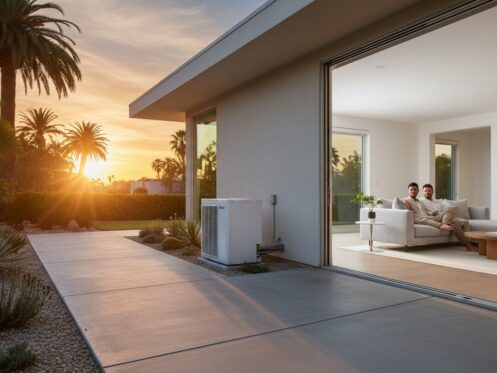
Why would a Los Angeles homeowner invest in a system built for sub-zero temperatures when the local forecast rarely drops below forty degrees? It seems counterintuitive to pay for “Hyper-Heat” in a region famous for its sunshine, but the benefits of mitsubishi hyper-heat technology go far beyond simple winter warmth. You likely know the frustration of a high electricity bill from an aging AC unit or the annoyance of a loud outdoor compressor that drowns out conversations on your patio. Many local residents struggle with uneven temperatures in multi-story homes, where the upstairs remains sweltering while the downstairs stays chilled.
This guide explains how Mitsubishi’s H2i technology delivers unmatched efficiency and comfort specifically tuned for Southern California’s unique microclimates. You’ll discover how these systems meet the strict 2026 Title 24 energy standards and qualify for substantial federal tax credits and LADWP rebates. We’ll break down the technical precision that allows for whisper-quiet operation and lower monthly utility costs, proving that this advanced heat pump is the most logical investment for a modern, all-electric Los Angeles home.
Key Takeaways
- Learn how patented flash injection technology prevents compressor overheating to maintain consistent cooling during record-breaking Southern California heat waves.
- Discover the specific benefits of mitsubishi hyper-heat technology for stabilizing indoor comfort against the 30-degree daily temperature swings found in the San Fernando Valley.
- Compare SEER2 and HSPF2 performance data to evaluate how variable-capacity H2i systems reduce utility costs compared to traditional central air units.
- Understand why localized zoning via ductless mini-split systems is the superior engineering choice for cooling multi-story homes with uneven heat distribution.
- Verify the technical requirements for a professional installation to ensure your system meets the 2026 Title 24 standards and qualifies for maximum local rebates.
What is Mitsubishi Hyper-Heat (H2i) Technology?
Mitsubishi Hyper-Heat, often abbreviated as H2i, represents a significant engineering leap from traditional heat pump designs. While standard heat pumps have existed for decades, they often struggled when outdoor temperatures reached extremes. Mitsubishi Electric engineered H2i specifically to address these performance gaps for the North American market. Unlike conventional HVAC systems that operate on a binary “on or off” cycle, H2i technology utilizes a variable-capacity approach. This means the system doesn’t just blast cold or hot air until a thermostat is satisfied; it constantly adjusts its output to maintain a precise temperature. For Los Angeles homeowners, this translates to a system that doesn’t just work harder, but works smarter.
One of the primary benefits of mitsubishi hyper-heat technology is its flexibility in configuration. These systems are available as single-zone units, which are ideal for a specific room addition or a garage conversion, or multi-zone outdoor units that can power up to eight indoor air handlers. This modularity allows you to phase out an old, inefficient central furnace and AC over time, or replace it all at once with a system that targets comfort exactly where you need it. By eliminating the energy loss associated with leaky ductwork, H2i systems provide a direct and efficient path to climate control.
H2i vs. Standard Heat Pumps: The Key Distinctions
A standard heat pump typically begins to lose its heating efficiency when outdoor temperatures drop toward 40°F. As the air gets colder, the system has to work significantly harder to extract heat, often leading to a spike in electricity usage. Hyper-Heat technology shatters this limitation. It maintains 100% of its heating capacity down to 5°F and continues to operate effectively even at -13°F. This performance is driven by an inverter-driven compressor. By modulating the frequency of the motor, the system avoids the energy-intensive “startup” spikes associated with traditional compressors, ensuring your home stays comfortable without the fluctuating power draws that inflate utility bills.
The Role of the Mitsubishi Ductless Elite Dealer
Investing in high-end technology requires a high-end installation. Working with a Mitsubishi Ductless Elite Dealer ensures that your system is sized with technical precision. In Los Angeles, coastal homes in Santa Monica have vastly different cooling loads than properties in the heat-trapping canyons of the San Fernando Valley. An Elite Dealer performs a detailed load calculation to ensure the system isn’t over or under-sized for your specific floor plan. This certification also unlocks an extended 12-year limited warranty on the compressor and parts, providing long-term security that your investment is protected by factory-verified standards.
The Engineering Secret: How Flash Injection Works
To understand why H2i systems outperform traditional units, you must look at the mechanical process of flash injection. Standard heat pumps often struggle because the refrigerant density drops as outdoor temperatures fluctuate. This loss of density reduces the mass flow of the refrigerant, which directly limits the system’s ability to move heat. Mitsubishi Electric solved this by engineering a specialized bypass circuit that reroutes a portion of the refrigerant during the compression cycle. This process, known as flash injection, ensures that the compressor receives a consistent flow of high-pressure refrigerant regardless of external conditions.
One of the primary benefits of mitsubishi hyper-heat technology is the way this bypass circuit prevents compressor overheating. When a system runs at high speeds to meet a sudden demand for cooling or heating, the internal friction and compression can cause temperatures to spike. By injecting a two-phase mixture of liquid and gas refrigerant back into the compressor shell, the system cools the internal components from the inside out. This protection allows the compressor to run at higher frequencies for longer periods, which results in significantly faster recovery times when you adjust your thermostat after a long day at work.
If you are considering an energy-efficient alternative to your current furnace or old AC unit, understanding this mass flow relationship is vital. Because the system maintains high pressure even in low-density air conditions, it doesn’t have to “struggle” to find heat in the winter or dump heat in the summer. If your current system feels like it takes hours to change the temperature of your living room, a professional HVAC inspection can determine if your home’s layout is better suited for this high-velocity injection technology.
The Bypass Circuit and Two-Phase Refrigerant
The technical heart of this process is the Linear Expansion Valve (LEV). This valve precisely controls the amount of refrigerant being bypassed into the compressor. By maintaining a two-phase state, the refrigerant can absorb more heat energy than a simple gas or liquid alone. This allows the system to maintain high operational pressure without the mechanical strain that typically leads to premature equipment failure. It’s a meticulous approach to fluid dynamics that ensures the system remains a reliable presence in your home for years.
Inverter Technology: Beyond the Binary
While flash injection handles the “muscle” of the system, the inverter technology provides the “brain.” Traditional systems are binary; they’re either 100% on or completely off. This creates a constant cycle of energy spikes and temperature swings. The H2i compressor behaves more like a dimmer switch. It has the precision to maintain your indoor temperature within 0.5 degrees of your setpoint. Instead of shutting down completely, the compressor idles at a low frequency, which eliminates the loud, jarring startups that often disturb patio life or nighttime sleep.
Why Los Angeles Homeowners Benefit from Hyper-Heat
A common misconception persists among Southern California residents that Hyper-Heat technology is only necessary for regions that face freezing winters. While it’s true that these systems are a modern heat pump technology capable of handling extreme sub-zero temperatures, the benefits of mitsubishi hyper-heat technology are actually optimized for the specific microclimates of Los Angeles. In the San Fernando Valley, for instance, it’s not unusual to see 30-degree temperature swings between a scorching afternoon and a chilly midnight. Traditional systems often struggle to recalibrate quickly enough to maintain comfort during these rapid shifts, leading to hot spots or cold pockets within the home. H2i technology responds with technical precision, adjusting its output in real time to ensure your living environment remains stable regardless of the outdoor volatility.
Living in dense South Bay neighborhoods or coastal areas like Manhattan Beach and Redondo Beach presents a different set of challenges. Salt air is notoriously corrosive to mechanical equipment, and the humid marine layer mornings can make a home feel damp and uncomfortable. Mitsubishi units are engineered with high-durability coatings that resist coastal corrosion better than standard builder-grade units. Additionally, the variable-speed compressor provides superior dehumidification. By running at lower speeds for longer durations, the system pulls more moisture out of the air than a traditional unit that cycles on and off rapidly. This process creates a crisp, dry indoor environment that is much more comfortable than the clammy feeling often left by oversized central air systems.
Efficiency in the ‘Sweet Spot’ of SoCal Winters
The real financial advantage of H2i technology appears when the mercury hits the 45°F to 50°F range. While standard heat pumps begin to lose their efficiency curve as they approach 40°F, Hyper-Heat stays in its peak performance zone. This is the sweet spot for Los Angeles winters. If you’re replacing an old gas furnace, you’ll likely see a noticeable reduction in monthly utility costs. These systems are a key component of the 2026 push for home electrification. Under current regulations, a qualifying H2i installation can claim the federal 25C tax credit of 30% of the cost, up to $2,000. When combined with the LADWP Consumer Rebate Program, which offers up to $2,500 per ton for systems installed after November 1, 2025, the long-term ROI becomes undeniable.
Coastal Durability and Air Quality
Beyond temperature control, air quality is a high-stakes concern for Los Angeles residents, particularly during fire seasons. Mitsubishi systems feature advanced multi-stage filtration that can trap allergens and particulates that standard filters miss. Ensuring your system is sized correctly for your home’s specific square footage allows these filters to cycle air effectively without straining the motor. The whisper-quiet operation is another local signature benefit. With outdoor units that produce decibel levels lower than a typical conversation, you can enjoy your patio or backyard without the industrial drone of a traditional compressor disturbing the peace of your neighborhood.
Hyper-Heat vs. Traditional HVAC: A Performance Comparison
Comparing modern HVAC systems requires a close look at the updated 2026 efficiency metrics: SEER2 and HSPF2. A standard central air conditioner typically meets the federal minimum requirement of 15.2 SEER2. In contrast, the Deluxe Hyper-Heat FS Series achieves ratings as high as 32.2 SEER2, which is more than double the federal standard. This drastic difference in efficiency directly impacts your monthly overhead. While a traditional furnace and AC combo requires a significant footprint in a closet or attic, the ductless nature of most H2i systems allows you to reclaim that square footage. Removing old, dusty ductwork also eliminates the thermal loss that occurs as air travels through unconditioned spaces, which can account for up to 30% of energy waste in older Los Angeles homes.
One of the practical benefits of mitsubishi hyper-heat technology is its ability to serve as a standalone solution for year-round comfort. In the past, homeowners often opted for a “dual fuel” setup, keeping a gas furnace as a backup for the coldest nights. Because H2i technology maintains 100% heating capacity down to 5°F, the need for a secondary gas source is virtually eliminated in Southern California. If you decide to keep your existing furnace as a backup, ensuring its mechanical health is critical. You can verify your system’s readiness by following a proper furnace maintenance schedule to prevent unexpected failures during a rare cold snap.
Operational Costs and Long-Term ROI
The initial investment in a Hyper-Heat system is often higher than a builder-grade unit, but the payback period is shortened by dramatic efficiency gains. Data shows that upgrading from a SEER2 14 system to a SEER2 18 system can save approximately $143 per year for a typical 3-ton unit. Since H2i models reach much higher ratings, the savings scale proportionally. Maintenance is also simplified. Traditional systems require complex duct cleanings and heat exchanger inspections; H2i systems primarily need regular filter cleanings and annual professional check-ups. If you aren’t sure if your current setup is worth repairing, you should schedule a residential HVAC inspection to get a neutral assessment of your system’s health.
Zoning for Targeted Comfort
Multi-story architecture in Los Angeles often suffers from uneven heat distribution. Central air systems struggle to push air to the top floor while the ground floor remains over-cooled. Ductless H2i systems solve this through individual air handlers. You can cool a busy kitchen during meal prep without wasting energy on an empty guest room. These units integrate seamlessly into smart home ecosystems, allowing you to monitor and adjust temperatures for each zone from a mobile device. This level of control ensures that every member of the household enjoys their preferred climate without the “thermostat wars” common in centrally cooled homes.
Maximizing Your Investment: Inspection and Installation
The most advanced HVAC hardware in the world will fail to deliver its promised efficiency if the installation process lacks technical precision. Mitsubishi Hyper-Heat systems are sophisticated machines that rely on exact refrigerant charges and specific line-set configurations to function correctly. When you invest in this technology, you aren’t just buying a product; you’re commissioning a complex mechanical setup that must adhere to strict manufacturer specifications. This is where the benefits of mitsubishi hyper-heat technology are either realized or lost. A sloppy installation can lead to oil return issues, compressor strain, and a significant drop in the actual efficiency ratings you expect to see on your utility bills.
Working with a Mitsubishi Ductless Elite Dealer is the only way to ensure your system meets these rigorous standards. These professionals undergo specialized training to handle the nuances of inverter-driven compressors and flash injection circuits. Perhaps most importantly, an Elite Dealer installation is the prerequisite for the 12-year limited warranty. If a non-certified contractor performs the work, you risk voiding the factory protections that make these systems a secure long-term investment. This meticulous approach to labor ensures that the system remains a reliable presence in your home for decades.
The Value of an Elite Dealer Installation
A professional installation focuses on the details that standard contractors often overlook. This includes the precise mounting of indoor air handlers to ensure proper condensate drainage and the vacuum-sealing of lines to prevent moisture contamination. Because H2i systems use variable-speed technology, the refrigerant levels must be exact. Even a slight overcharge or undercharge can disrupt the system’s ability to modulate, causing it to consume more power than necessary. By prioritizing technical accuracy during the initial setup, you protect the operational lifespan of the unit and ensure it qualifies for the 2026 local and federal tax incentives.
Inspecting Advanced Systems for Real Estate
During a property transaction, a standard home inspection often fails to capture the health of an inverter-driven system. Most general inspectors look for basic on or off functionality, which is an inadequate test for H2i technology. A specialized HVAC evaluation uses advanced diagnostics to verify that the communication between the indoor and outdoor units is seamless. For buyers and sellers in the Los Angeles market, this documentation is vital for establishing the true value of the home’s mechanical assets. It proves the system is operating within the manufacturer’s specified parameters.
Escrow is a high-stakes period where technical verification provides emotional security. An expert inspector will check for proper circuit breaker sizing, the integrity of the communication wire, and the cleanliness of the multi-stage filtration system. This level of detail ensures that the benefits of mitsubishi hyper-heat technology are fully documented for insurance compliance and future appraisal. Whether you’re upgrading your current residence or evaluating a potential purchase, a factual assessment of the HVAC system’s health is the only way to guarantee your investment is sound.
Securing Your Home’s Future Comfort
Transitioning to an all-electric home is a significant technical upgrade that requires more than just high-end hardware. You now understand how flash injection and variable-speed inverters solve the specific temperature and humidity challenges of Southern California. By choosing a system that exceeds 2026 efficiency standards, you aren’t just lowering utility costs; you’re future-proofing your property against rising energy prices and stricter environmental regulations. The long-term benefits of mitsubishi hyper-heat technology are only fully realized when the installation is verified by technical experts who prioritize accuracy over speed.
Our team operates as a Mitsubishi Ductless Elite Dealer, employing NATE-certified technicians who understand the complexities of these high-performance machines. We provide detailed inspection reports for every installation to ensure your system operates at its peak rated efficiency from day one. This meticulous approach protects your warranty and guarantees your indoor sanctuary remains quiet and comfortable for years. It’s a reliable way to ensure your property value reflects the quality of its mechanical systems.
Schedule your Mitsubishi Hyper-Heat consultation with an Elite Dealer today to secure a factual assessment of your home’s needs. Investing in precision today ensures a reliable and efficient home for tomorrow.
If you value this same level of technical precision and want to apply it to your international travel plans, you can learn more about making stress-free decisions for your next stay in the Japanese capital.
Frequently Asked Questions
Is Mitsubishi Hyper-Heat worth it in a climate like Los Angeles?
Yes, Hyper-Heat is highly effective in Los Angeles because it handles the 30-degree temperature swings common in microclimates like the San Fernando Valley with technical precision. While it’s designed for extreme cold, its variable-speed inverter ensures the system doesn’t over-cycle during moderate 50-degree nights. This prevents the energy spikes and uneven temperatures often found with traditional on-off furnaces and air conditioners.
How much more efficient is Hyper-Heat compared to a standard heat pump?
Hyper-Heat systems are significantly more efficient, with some models achieving a SEER2 rating as high as 33.1. This is more than double the federal minimum requirement of 15.2 SEER2. While standard heat pumps begin to lose their heating capacity as temperatures drop toward 40°F, H2i technology maintains 100% capacity down to 5°F. This ensures your home remains comfortable without relying on expensive backup electric heat strips.
Does Hyper-Heat technology improve cooling performance, or just heating?
The technology greatly enhances cooling performance through its advanced inverter-driven compressor. By running at lower speeds for longer durations, the system provides superior dehumidification during humid coastal mornings in the South Bay. This prevents the “clammy” feeling caused by traditional units that cycle off before they can properly remove moisture from the air. It results in a crisp, consistent indoor environment year-round.
Can I use Mitsubishi Hyper-Heat with my existing ductwork?
You can integrate Hyper-Heat technology with existing ductwork by utilizing Mitsubishi’s multi-position air handlers. This is a common solution for homeowners who want to replace a central furnace while keeping their current vents. However, many residents choose to switch to ductless mini-splits to eliminate the 30% energy loss typically associated with leaky or uninsulated ducts in older Los Angeles architecture.
What is the life expectancy of a Mitsubishi H2i system in coastal areas?
A properly maintained H2i system typically has a life expectancy of 15 to 20 years. Mitsubishi uses specialized anti-corrosion coatings on outdoor units to protect sensitive components from the salt air found in Manhattan Beach and Redondo Beach. Regular professional inspections and filter cleanings are essential to prevent mechanical strain and ensure the system reaches its full operational lifespan in these environments.
Are there specific rebates for installing Hyper-Heat in Southern California?
Los Angeles homeowners can access substantial financial incentives, including the LADWP Consumer Rebate Program which offers up to $2,500 per ton. One of the major benefits of mitsubishi hyper-heat technology is that its high efficiency ratings easily meet the 15.2 SEER2 and 7.7 HSPF2 requirements for these programs. These can be stacked with the federal 25C tax credit, which provides 30% of the cost up to $2,000.
How quiet is the outdoor Hyper-Heat compressor unit?
The outdoor units are exceptionally quiet, with some models operating at decibel levels as low as 46 dB. This is roughly equivalent to the sound of a quiet refrigerator or a soft conversation. This whisper-quiet operation is a significant advantage in dense Los Angeles neighborhoods where outdoor space is limited. It allows you to enjoy your patio or backyard without the disruptive drone of a traditional HVAC compressor.
Does the Hyper-Heat system require special maintenance compared to a standard AC?
The maintenance requirements are similar to standard systems but focus on different technical areas. You should perform monthly filter cleanings and schedule annual professional inspections to verify refrigerant pressures and sensor accuracy. Because the inverter technology reduces the mechanical stress of frequent startups, the system often experiences less internal wear than a standard unit. Regular upkeep is the best way to ensure your investment remains reliable and efficient.