
 Serving Ventura and LA County
 Years of Experience
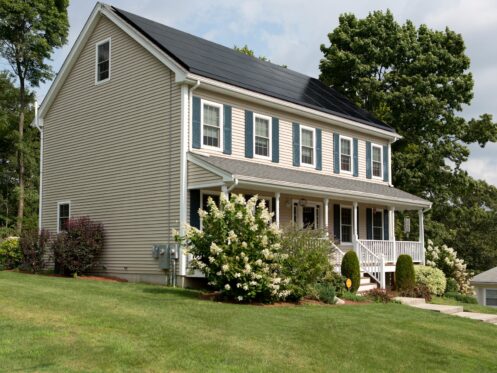
Wildfire smoke can turn a normal Los Angeles cooling question into an indoor air quality problem within hours. The air conditioner may still be running, the thermostat may still be comfortable, and yet smoke particles can enter through outdoor-air pathways, leaky ducts, open doors, window gaps, and pressure differences throughout the home. The result is a confusing situation for homeowners: should you run the AC, turn it off, upgrade the filter, close a fresh-air intake, or schedule an HVAC inspection after the smoke clears?
The best answer depends on the type of system you have and how it moves air. A central HVAC system that primarily recirculates indoor air can often help filter particles when it is set up correctly, while equipment that intentionally brings in outdoor air may need a different operating strategy during a smoke event. Portable air conditioners, evaporative coolers, ductless systems, window units, and homes with dedicated ventilation systems also behave differently.
This guide explains how wildfire smoke interacts with HVAC systems, what Los Angeles homeowners can do before, during, and after a smoke event, why a MERV 13 filter is not automatically the right choice for every system, and when a professional air quality inspection or HVAC inspection in Los Angeles can help identify smoke-related performance concerns.
Key Takeaways
- Learn why running a central HVAC system during wildfire smoke can help filter indoor air when the system is set to recirculate and equipped with a suitable filter.
- Understand the difference between a recirculating system and equipment that intentionally brings outdoor air into the home.
- See why MERV 13 filtration can be useful for smoke particles but may create too much resistance in a system that was not designed for it.
- Find out when filters should be checked more frequently during smoke events and why a visibly dirty filter should not be left in place.
- Learn why wildfire smoke does not automatically mean your ducts need cleaning and what evidence should be present before duct work is recommended.
- Use a clear before-during-after checklist to protect HVAC performance and improve indoor air quality during smoke conditions.
How Wildfire Smoke Gets Into Los Angeles Homes
Wildfire smoke does not need a wide-open window to enter a home. Fine particles can move indoors through gaps around doors and windows, exhaust pathways, attached garages, duct leakage, outdoor-air intakes, and pressure differences created when fans and HVAC equipment operate. Smoke can also enter during normal daily activity when doors open, people move in and out, or a system intentionally brings in ventilation air.
The U.S. Environmental Protection Agency explains that wildfire smoke contains a mixture of gases and fine particles and recommends reducing the amount of outdoor smoke entering the home while indoor conditions are being protected. Its wildfire and indoor air quality guidance also emphasizes learning how your own HVAC system handles outdoor air before a smoke event occurs.
Older Homes Can Have More Uncontrolled Air Pathways
Los Angeles housing stock includes older bungalows, remodeled homes, additions, converted garages, and properties where mechanical systems have been altered over decades. These buildings can have uncontrolled leakage around attic penetrations, crawlspaces, return-air pathways, wall cavities, and duct connections. Smoke may enter even when the main windows and doors are closed.
That does not mean every smoky odor is coming through the duct system. Outdoor particles can enter through many parts of the building envelope. A professional evaluation should distinguish between a duct-related problem, an outdoor-air intake issue, and ordinary infiltration before recommending corrective work.
Negative Pressure Can Pull Outdoor Air In
Kitchen exhaust fans, bathroom fans, clothes dryers, and some portable cooling equipment can remove indoor air and create negative pressure. Replacement air then has to enter from somewhere. During smoky conditions, that replacement air may be pulled through leaks in the building or from adjacent spaces.
This is one reason wildfire smoke control is a whole-building problem rather than simply a filter problem. HVAC filtration helps with particles that pass through the filter, but it does not seal every uncontrolled opening in the home.

Should You Run Your AC During Wildfire Smoke?
In many homes, yes—but only after you understand how the system is configured. A central forced-air system that recirculates indoor air can help move air through the HVAC filter. AirNow advises homeowners with central air to run the system for filtration, use an appropriate high-efficiency filter, and use recirculation settings when outdoor smoke is present. Its public guidance on what to do when smoke is in the air also notes that a fresh-air intake should be closed during smoky conditions when the system allows it.
The important distinction is that “running the AC” does not mean the same thing in every home. Some systems primarily recirculate indoor air. Others include mechanical ventilation or fresh-air controls. Portable and evaporative cooling equipment can also move outdoor air differently.
Central Forced-Air Systems
A central system with a return duct, blower, filter, and supply ductwork can circulate indoor air through the filter while maintaining temperature. If the system has a fresh-air intake, the intake may need to be closed or the controls switched to recirculation during a smoke event, depending on the system design.
Homeowners should not assume that every thermostat has a “recirculate” setting. Some systems manage outdoor air with a separate damper, ventilation controller, energy recovery ventilator, or other device. If you are not sure how outdoor air enters your system, an air flow inspection can help identify the system’s return and air-delivery pathways.
Ductless Mini-Split Systems
Most standard ductless mini-split indoor units recirculate air within the room rather than pulling outdoor air into the space. That can make them useful for temperature control during smoky conditions, but the small washable screens in many ductless units are not a substitute for high-efficiency particle filtration.
Homeowners who rely on several ductless zones may still need a separate portable air cleaner or another indoor air quality strategy. If individual heads are dirty, draining poorly, or losing airflow, dedicated mini-split maintenance may also be appropriate.
Evaporative Coolers
Evaporative coolers rely heavily on outdoor air. EPA guidance warns that they can bring more smoke indoors during smoky conditions and may need to be used sparingly unless specific filtration steps are taken. A homeowner should not treat an evaporative cooler like a recirculating central AC system.
Portable Air Conditioners
Single-hose portable air conditioners can create negative pressure by exhausting indoor air outdoors. That pressure difference can pull replacement air—and smoke—through leaks elsewhere in the home. Two-hose units behave differently, but window seals and installation quality still matter.
Recirculate vs. Fresh-Air Intake
One of the most important wildfire smoke questions is whether your system is bringing outdoor air into the house. During normal conditions, intentional ventilation can be beneficial. During heavy smoke, the same outdoor-air pathway can become a source of indoor particles.
What a Fresh-Air Intake Does
A fresh-air intake is designed to introduce outdoor air into the HVAC or ventilation system. It may be connected to the return duct, controlled by a motorized damper, or managed by a separate ventilation device. Some newer homes and remodeled properties have more deliberate ventilation strategies than older houses.
During smoke conditions, EPA guidance recommends learning how to close an outdoor-air intake or use recirculation mode if the system provides that option. Homeowners who do not know whether their HVAC system has a fresh-air pathway should avoid changing dampers at random and instead identify how the system is designed.
Why “Fan On” Can Help Filtration
When a central system is set to “Auto,” the blower usually runs only when heating or cooling is active. During a smoke event, running the fan more frequently can move more indoor air through the filter. EPA guidance suggests running the system fan as often as possible when a high-efficiency filter is installed and outdoor air quality is poor.
This strategy only works if the filter fits properly, the blower can handle the resistance, and the duct system is not bypassing significant amounts of unfiltered air. A loose filter that leaves gaps around the frame can allow air to move around the media instead of through it.
MERV 13 Filters and Wildfire Smoke
MERV stands for Minimum Efficiency Reporting Value. Higher MERV ratings generally indicate better removal of smaller particles, but a higher number is not automatically better for every residential system. The filter has to fit the cabinet, seal properly, and allow the blower to move enough air.
EPA wildfire guidance recommends a MERV 13 filter, or the highest efficiency filter the system fan and filter slot can accommodate. The California Air Resources Board similarly advises homeowners to determine whether the central system can handle a higher-efficiency filter and notes that added airflow resistance should be considered before moving to a more restrictive filter.
Why MERV 13 Can Help During Smoke Events
Wildfire smoke contains fine particles that are much smaller than the dust and lint captured by basic fiberglass filters. Higher-efficiency filtration is more effective at removing smaller airborne particles that pass through the HVAC return system.
For homeowners comparing filter options, the noncommercial California Air Resources Board guide to home air cleaning devices explains MERV ratings, particle sizes, and the importance of matching filtration to system capability.
Why a Higher-MERV Filter Can Create Problems in the Wrong System
A filter that is too restrictive can increase pressure drop and reduce airflow. Low airflow can contribute to weak comfort, long run times, noise, and evaporator coil freezing in cooling mode. Older blowers, undersized filter grilles, one-inch filter slots, and already-restricted return systems may be more sensitive to added resistance.
Before installing a high-efficiency filter, a technician can measure static pressure and determine whether the existing system has enough airflow margin. The right answer may be a deeper media cabinet, more return area, a different filter design, or a separate portable air cleaner rather than forcing the highest MERV rating into an unsuitable filter slot.
How Often Should You Change a Filter During Wildfire Smoke?
There is no single calendar interval that fits every smoke event. EPA advises checking HVAC and air-cleaner filters more frequently during heavy smoke and replacing them sooner when they become heavily soiled. A filter that normally lasts several months may load much faster when outdoor particle levels are high and the system is running continuously.
Do not wait only for a date on the calendar. Check the filter visually, watch for reduced airflow, and follow the equipment and filter manufacturer’s instructions.
How to Prepare Your HVAC System Before Smoke Arrives
The best time to learn how your HVAC system handles outdoor air is before the sky is smoky. Preparation reduces the number of decisions you have to make during an active air quality event.
1. Identify the Filter Size and Location
Know whether the filter is located at a return grille, furnace cabinet, air handler, or dedicated media cabinet. Write down the size and keep at least one suitable replacement on hand during wildfire season.
2. Determine Whether the System Has an Outdoor-Air Intake
Look for ventilation controls, labeled dampers, fresh-air ducts, or dedicated devices connected to the return system. If the configuration is unclear, do not close random ducts or dampers. A professional can identify the system and explain which controls are intended for smoke conditions.
3. Check Filter Fit
A filter should fit snugly without large gaps around the frame. Air follows the easiest path. If the filter is loose, some air may bypass the media entirely.
4. Confirm That Airflow Is Healthy Before Upgrading Filtration
If the system already has weak airflow, noisy returns, frequent freezing, or a heavily restrictive filter setup, adding more filter resistance can make performance worse. A professional air flow inspection can establish whether the blower and duct system are operating within a reasonable range.
5. Review Your Wildfire and Insurance Documentation
Homeowners in affected areas may need to document HVAC condition before or after a fire event. The company’s Los Angeles wildfire information page provides additional context for inspections, insurance concerns, and preparing HVAC equipment in wildfire-prone communities.
What to Do During a Wildfire Smoke Event
During active smoke conditions, the goal is to reduce outdoor smoke entry, filter indoor air, and keep the home safely cool. Air quality can change quickly during the day, so homeowners should monitor official local conditions rather than relying only on smell or visibility.
Monitor the Air Quality
Use the official AirNow Fire and Smoke Map to view current smoke and particle conditions. Smoke plumes shown by satellite do not always equal ground-level exposure, so local air quality measurements are important.
Keep Windows and Doors Closed When Outdoor Air Is Poor
Reducing open pathways helps limit smoke entry. This does not make a home airtight, but it reduces direct infiltration when outdoor conditions are unhealthy.
Use the HVAC System Appropriately
If you have a recirculating central system with a suitable filter, run the system to move indoor air through the filter. If there is a fresh-air intake, use the system’s recirculation strategy or close the intake in accordance with the equipment design.
Check the Filter More Often
Continuous operation during a heavy smoke event can load filters more quickly. Check the filter periodically and replace it when visibly dirty or when airflow begins to decline.
Avoid Creating More Indoor Particles
EPA and AirNow recommend reducing indoor activities that create additional particles during heavy smoke. Frying, broiling, burning candles, smoking, and other particle-generating activities can make indoor air worse even when outdoor smoke is the original concern.
Create One Cleaner-Air Space When Needed
A clean room or cleaner-air space concentrates filtration in one room where household members spend time. Portable air cleaners work best when sized for the room and operated continuously with doors and windows closed.

What to Check After the Smoke Clears
When outdoor air quality improves, do not assume the HVAC system automatically returns to its pre-smoke condition. The amount of follow-up needed depends on how severe the event was, how long it lasted, how much the system ran, and whether ash or debris reached the property.
Inspect the HVAC Filter
Replace a filter that is visibly loaded, damaged, warped, or releasing odor. A heavily soiled filter should not remain in service simply because it has not reached the normal replacement date.
Look at Outdoor Equipment
Check the outdoor condenser or heat pump for leaves, ash, and debris around the cabinet. Do not use aggressive cleaning methods or force debris deeper into the coil. If the coil is visibly coated or the system has lost performance, professional inspection may be appropriate.
Watch for New Performance Changes
Pay attention to reduced airflow, new odor, longer run times, unusual fan noise, water around indoor equipment, or a system that struggles to maintain temperature. These changes may be related to filter loading, coil condition, airflow restrictions, or another issue that became noticeable during extended operation.
Document Visible Smoke or Ash Impact
If the property was directly affected by ash, smoke, or a nearby fire, take photographs before cleaning or altering major equipment. Documentation can be useful when insurance or property-condition questions arise.
For a broader system evaluation after an event, a professional HVAC inspection in Los Angeles can document visible equipment condition, airflow concerns, filters, controls, and other system findings.
Do Air Ducts Need Cleaning After Wildfire Smoke?
Not automatically. A smoky day outside does not prove that the inside of every duct system is contaminated. The decision should be based on evidence such as visible debris, confirmed smoke entry, damaged ducts, contamination at accessible sections, or persistent odor that is actually traced to the duct system.
When Duct Inspection Makes Sense
A duct evaluation is more justified when ash entered the home directly, return ducts were exposed during remodeling or evacuation, the system operated with a missing or failed filter, visible debris is present at accessible duct sections, or a property sustained nearby fire impact.
A professional ducting inspection can help document accessible duct condition, leakage clues, damaged connections, and whether the distribution system appears to be contributing to indoor air concerns.
Why Odor Alone Is Not Enough to Blame the Ducts
Smoke odor can settle on furnishings, carpets, wall surfaces, clothing, attic dust, and many other materials. Cleaning the ducts without identifying the actual source may not solve the problem.
An indoor air quality assessment should consider the whole building, including filtration, pressure relationships, moisture, ventilation, duct pathways, and sources inside the occupied space. The company’s indoor air quality services and air quality inspection pages explain the broader role of HVAC systems in indoor air concerns.
Portable Air Cleaners, Clean Rooms, and HVAC Filtration
Central HVAC filtration and portable air cleaners solve different problems. A central system can move filtered air throughout the ducted areas it serves. A portable air cleaner concentrates particle removal in a particular room.
Portable Air Cleaners
EPA recommends choosing a portable air cleaner that is sized for the room and does not produce ozone. In California, portable indoor air-cleaning devices are subject to CARB certification requirements. Homeowners can check the official CARB-certified air cleaner list before purchasing a device.
Clean Rooms
A clean room is a room set aside as a cleaner-air space during smoke events. It works best when windows and doors remain closed, particle-generating activities are minimized, and a properly sized air cleaner operates continuously.
Central HVAC Filters
Central filters only clean the air that passes through them. Filter effectiveness depends on the MERV rating, filter fit, airflow, fan runtime, and whether smoke is entering faster than the system can remove particles.
Whole-Home Indoor Air Quality Improvements
Some homeowners want more than a temporary smoke-season plan. Depending on the property, options may include better filtration, improved filter cabinets, controlled ventilation, source control, or other clean air installation strategies. The right solution depends on system design and the specific indoor air concern.
When to Schedule a Professional HVAC or IAQ Inspection
A homeowner can handle basic preparation such as checking filters, closing windows, and learning thermostat settings. Professional evaluation becomes more useful when the problem is unclear, the property was directly affected, or the system begins behaving differently.
Schedule an Inspection When:
- The HVAC system has a fresh-air intake and you do not know how to control it during smoke events.
- A high-efficiency filter causes weak airflow, noise, freezing, or comfort problems.
- Smoke odor persists and the source is not obvious.
- Visible ash or debris reached the outdoor unit, indoor equipment, or accessible ducts.
- The system ran continuously during a prolonged smoke event and performance changed afterward.
- The filter was missing, damaged, severely loaded, or bypassed by air around the frame.
- Rooms have significant pressure or airflow differences that may be pulling outdoor air into the home.
- Insurance, real estate, or property-condition documentation is needed after a wildfire event.
For owners who want to begin remotely, a virtual estimate can provide an initial way to discuss the property and the concern. When an on-site evaluation is needed, contact HVAC Inspections Los Angeles to schedule service.
Build a Wildfire Smoke Plan Before You Need It
Wildfire smoke and HVAC systems are closely connected because the mechanical system influences temperature, air movement, filtration, and sometimes outdoor-air ventilation. The right response is not to turn every system off or blindly install the highest-MERV filter available. The better approach is to understand how your equipment moves air and then use filtration and controls in a way the system can actually support.
Before smoke arrives, identify the filter, learn whether the home has a fresh-air intake, confirm that airflow is healthy, and keep suitable replacement filters available. During smoke conditions, monitor official air quality information, reduce outdoor-air entry, use the HVAC system appropriately, and check filters more often. After the event, inspect the filter and equipment for visible changes and schedule professional evaluation when symptoms or contamination concerns remain.
For Los Angeles homeowners who want a clearer understanding of system condition, airflow, filtration, or smoke-related indoor air concerns, schedule a professional HVAC or indoor air quality evaluation.
Frequently Asked Questions
Should I turn off my air conditioner when wildfire smoke is outside?
Not necessarily. A central system that recirculates indoor air can help move air through the HVAC filter. The important question is whether the system also brings in outdoor air. If it has a fresh-air intake, use the appropriate recirculation setting or close the intake in accordance with the system design during smoky conditions.
Should I set my HVAC fan to On or Auto during wildfire smoke?
Running the fan more frequently can increase filtration because more indoor air passes through the filter. EPA guidance suggests using the fan more often when outdoor air quality is poor and a suitable high-efficiency filter is installed. Make sure the system has adequate airflow and the filter is not overly restrictive.
Is a MERV 13 filter always best for wildfire smoke?
MERV 13 filtration can improve removal of fine particles, but the system must be able to handle the added resistance. Older blowers, undersized returns, and restrictive filter slots may experience reduced airflow. Use the highest efficiency filter that the system fan and filter cabinet can accommodate.
How often should I change my HVAC filter during wildfire smoke?
Check it more often than you normally would. Heavy smoke can load filters faster, especially when the fan runs continuously. Replace the filter when it is visibly dirty, damaged, or causing reduced airflow, and follow the equipment and filter manufacturer’s instructions.
Can wildfire smoke enter through air ducts?
Yes, but ducts are only one possible pathway. Smoke can also enter around doors, windows, attic penetrations, exhaust pathways, garages, outdoor-air intakes, and other building leaks. A duct inspection should be based on evidence rather than assuming every smoke odor originates in the ductwork.
Do I need duct cleaning after every wildfire smoke event?
No. Duct cleaning should not be automatic after every smoky day. It is more justified when there is visible contamination, direct ash entry, damaged ductwork, operation without proper filtration, or evidence that debris entered the distribution system.
Can a portable air cleaner replace my HVAC filter?
No. They serve different purposes. A portable air cleaner treats the room where it operates, while a central HVAC filter treats air moving through the ducted system. Many homes use both strategies during severe smoke events.
Are ductless mini-splits good during wildfire smoke?
Ductless systems typically recirculate room air rather than drawing in outdoor air, which can be helpful for temperature control. However, the basic washable screens in many ductless units are not high-efficiency smoke filters, so a separate portable air cleaner may still be useful.
Why does my house smell smoky even after outdoor air quality improves?
Smoke odor can remain on fabrics, furniture, wall surfaces, attic dust, filters, and other materials. The duct system may or may not be the source. Persistent odor should be traced before cleaning or equipment work is recommended.
Can I use a HEPA filter in my central HVAC system?
True HEPA filtration creates much more resistance than a basic residential filter and usually requires equipment specifically designed for it. Do not force a HEPA filter into a standard one-inch slot. A professional can determine whether the system needs a different filter cabinet, a separate air-cleaning device, or another solution.
What should I inspect after ash reaches my property?
Check the HVAC filter, outdoor equipment, visible intakes, accessible ducts, and any areas where ash entered the home. Photograph visible conditions before major cleaning if insurance or property documentation may be needed. Schedule professional inspection if performance changes or contamination is visible.
When should I schedule an indoor air quality inspection after wildfire smoke?
Schedule an inspection when smoke odor persists, the source is unclear, vulnerable areas of the HVAC system were exposed, filters became heavily contaminated, airflow changed, or you need documentation for insurance, real estate, or property-condition purposes.
Schedule a wildfire smoke HVAC and indoor air quality evaluation with HVAC Inspections Los Angeles