 Serving Ventura and LA County
 Years of Experience
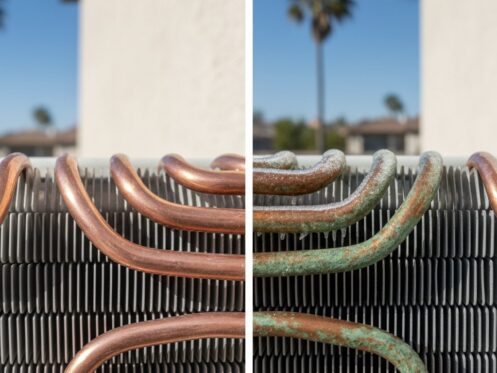
Last August, a homeowner in Santa Monica saw their property sale delayed by three weeks because a corroded ac coil was flagged at the final hour of escrow. You likely understand the frustration of a cooling system that struggles against 90-degree heat, especially when your monthly energy bill has spiked by 25 percent compared to the same period last year. It’s common to feel overwhelmed by technical jargon when your HVAC unit begins to show signs of ice buildup or reduced airflow during a peak Southern California summer.
We promise to clarify these mechanical complexities by explaining how your system’s coils impact daily comfort and why specialized, unbiased inspections are essential for Los Angeles properties. This guide provides a detailed breakdown of the differences between evaporator and condenser coils, the specific ways our coastal salt air accelerates equipment degradation, and the exact signs of failure you need to recognize before a total system breakdown occurs. By the end of this article, you’ll have the technical confidence to navigate inspection reports and ensure your home remains both efficient and compliant with local standards.
Key Takeaways
- Learn how the indoor and outdoor ac coil components work together to facilitate heat exchange within the specific demands of the Southern California climate.
- Identify the distinct environmental threats facing Los Angeles properties, from salt air corrosion in beach cities to microscopic formicary leaks.
- Recognize critical warning signs of system failure, such as hissing noises and diminished cooling capacity, to protect your equipment’s longevity.
- Discover why specialized HVAC evaluations are a vital safeguard during the real estate escrow process to ensure unbiased verification of system health.
Understanding AC Coils: The Core Components of Your LA Cooling System
An ac coil is a network of copper or aluminum tubing designed to facilitate the rapid exchange of thermal energy. These components act as the vital bridge between your indoor comfort and the intense Southern California heat. To grasp how HVAC systems work, you must understand the refrigeration cycle, where the coil serves as the primary site for heat transfer. Without functional coils, your system cannot move heat out of your living space, which renders the entire air conditioner ineffective regardless of its age or brand.
In Los Angeles, where summer temperatures frequently exceed 90 degrees Fahrenheit, the efficiency of your ac coil directly dictates your monthly utility costs. A system with compromised or dirty coils can increase LADWP or Southern California Edison bills by 20% to 35% because the compressor must run longer to achieve the desired temperature. Maintaining these components ensures that your system meets its rated SEER performance, protecting both the equipment’s 15-year lifespan and your financial resources. Precise technical health of these coils is the difference between a reliable system and one prone to mid-summer breakdowns.
The Evaporator Coil: Indoor Heat Absorption
The evaporator coil is installed within your indoor air handler or furnace cabinet, typically positioned directly in the path of the blower fan. Its primary role is to absorb heat and moisture from the air circulating through your home. In coastal neighborhoods like Torrance and Redondo Beach, high humidity levels can lead to a frozen evaporator coil if airflow is restricted. This common emergency occurs when the coil temperature drops below 32 degrees Fahrenheit, causing condensation to turn into ice. This ice block prevents any cooling from reaching your vents and puts extreme stress on the blower motor.
The Condenser Coil: Outdoor Heat Rejection
The condenser coil sits in the outdoor unit alongside the compressor. It performs the critical task of releasing the heat collected from your interior into the outside environment. This process is particularly challenging in the Los Angeles urban heat island, where asphalt and concrete can keep ambient temperatures 5 to 10 degrees higher than in surrounding rural areas. If the condenser coil is coated in dust or salt spray from the Pacific, it can’t shed heat efficiently. This thermal backup causes the system to cycle more frequently and significantly increases the risk of a premature ac compressor failure, which is one of the most expensive repairs in the industry.
How AC Coils Manage Home Comfort in the Los Angeles Climate
An air conditioner does not create cold; it removes heat. This process relies on the ac coil to facilitate thermal transfer between your indoor air and the outdoor environment. In Los Angeles, where summer temperatures often exceed 90 degrees in the San Fernando Valley while remaining humid in the Beach Cities, system efficiency is critical. The U.S. Department of Energy provides a detailed breakdown of How Air Conditioners Work, highlighting that a system’s ability to meet SEER2 standards depends heavily on coil surface area and cleanliness. Modern SEER2 requirements, which increased the minimum efficiency for California to 14.3 as of January 1, 2023, often necessitate larger coils to maximize heat exchange. Brands like Mitsubishi and Trane use proprietary fin designs and specific aluminum alloys to prevent formicary corrosion, ensuring the system maintains its factory-rated efficiency for its expected 15-year lifespan.
The Refrigerant Cycle and Coil Interaction
The cooling cycle begins when the compressor changes the pressure of the refrigerant, allowing it to absorb heat at the indoor evaporator and release it at the outdoor condenser. If a 1/32-inch leak develops in an ac coil, the resulting drop in refrigerant charge can lead to a 20% increase in energy consumption before the system eventually fails. We often see performance issues when homeowners mix brands; a Trane condenser paired with a generic indoor coil rarely achieves its listed efficiency. Ensuring matched components is vital for both performance and maintaining manufacturer warranties during a property transaction. If you’re concerned about your system’s efficiency, a professional HVAC inspection can verify the integrity of these components.
Dehumidification: The Hidden Job of the Indoor Coil
In coastal areas like Manhattan Beach, humidity levels can hover around 70% during the morning marine layer. The indoor evaporator coil manages this by cooling the air below its dew point. As air passes over the cold fins, water vapor condenses into liquid, which then flows into the condensate drain line. This process addresses “latent heat,” which is the thermal energy released or absorbed during a phase change from gas to liquid without a change in temperature. If the drain line becomes clogged or the coil is coated in dust, the system cannot effectively remove moisture. This leads to “sticky” indoor air even if the thermometer shows a consistent 72 degrees. Maintaining a clean coil surface ensures the system can handle both the temperature and the moisture levels common to Southern California’s microclimates.
Common AC Coil Failures in Beach Cities vs. Inland Los Angeles
Environmental factors in Southern California dictate the specific failure modes of your HVAC system. While a homeowner in Manhattan Beach deals with the corrosive effects of the Pacific, a resident in inland Los Angeles faces challenges from urban pollutants and heavy dust. Understanding these regional risks allows for better preventative maintenance and more accurate system inspections.
Coastal Challenges: Salt Spray and Oxidation
Property owners within five miles of the ocean, particularly in Hermosa Beach and Manhattan Beach, face an aggressive environment. Salt air is a primary catalyst for oxidation. Standard aluminum fins on an ac coil often degrade rapidly when exposed to salt spray, leading to a condition known as white rust. This oxidation creates a powdery buildup that insulates the metal, which prevents efficient heat transfer. To combat this, premium manufacturers like Trane offer specialized protective coatings on their units. These epoxy or ceramic barriers are designed to extend the lifespan of the metal components in high-salinity zones. Without these protections, a standard condenser unit can show signs of structural failure in as little as 36 months.
Chemical reactions also occur within the copper tubing itself. Formicary corrosion creates microscopic, tunnel-like leaks that are often invisible to the naked eye. These leaks are frequently caused by the interaction of moisture and volatile organic compounds (VOCs) found in common household products. According to the U.S. Department of Energy, these Common Air Conditioner Problems can result in low refrigerant levels that force the system to run longer cycles, which significantly increases monthly utility costs.
Inland Issues: Dust, Pollen, and Airflow Blockages
Inland areas like Torrance and the broader Los Angeles basin experience different mechanical stressors. The Santa Ana winds carry high volumes of dust, grit, and organic debris that physically clog the condenser fins. When the exterior ac coil is choked by debris, the system can’t reject heat effectively. This restriction causes the compressor to operate at higher temperatures and pressures, which leads to premature mechanical death. Statistical data from regional inspections indicates that units with 25% or more fin blockage can see a decrease in efficiency of up to 30%.
- Urban Smog: Los Angeles pollutants like sulfur and nitrogen oxides cause a “pitting” effect on metal surfaces, weakening the coil over time.
- Indoor Contaminants: In suburban homes, pet dander and household dust accumulate on the indoor evaporator coil, creating a biological mat that blocks airflow.
- Compressor Strain: Restricted airflow forces the blower motor to draw more amperage, which stresses the electrical components and increases the risk of a total system shutdown.
Maintaining a clean system isn’t just about efficiency; it’s about protecting the largest investment in your home. Regular inspections verify that neither salt nor smog is silently destroying your equipment.
Warning Signs: When Your AC Coils Need Professional Inspection
Detecting a failing ac coil early prevents a minor refrigerant leak from turning into a total compressor failure. In the coastal microclimates of Los Angeles and the Beach Cities, salt air can accelerate corrosion, making regular monitoring essential for system longevity. If your air conditioner runs continuously but the indoor temperature remains stagnant, the heat exchange process has likely broken down.
Specific auditory and physical cues often precede a total breakdown. A high-pressure refrigerant leak creates a distinct hissing or bubbling sound near the indoor air handler. This noise indicates that the pressurized gas is escaping through a breach in the copper tubing. Another common symptom is the presence of ice. While it seems counter-intuitive, ice formation on the outdoor refrigerant lines or the indoor evaporator unit usually points to a frozen indoor coil. This happens when the coil cannot absorb enough heat, causing the temperature to drop below freezing and solidify the moisture in the air.
High humidity levels also signal coil trouble. A properly functioning system should reduce indoor humidity to between 30% and 50%. If your home feels clammy or “sticky” despite the AC running, the coil is no longer effectively condensing moisture from the air.
Physical Red Flags to Look For
A visual inspection can reveal several mechanical issues. Look for these specific indicators:
- Visible Dirt or Fur: Dust and pet dander can form a thick layer of “fur” on the evaporator fins, acting as an insulator that blocks heat transfer.
- Oil Spots: Refrigerant contains a small amount of oil. If you see dark, greasy spots on the coil surface, it is a definitive sign of a puncture.
- Bent or Crushed Fins: The delicate aluminum fins must be straight to allow airflow. If more than 10% of the fins are flattened, the system’s cooling capacity drops significantly.
Performance Red Flags in Your Utility Bills
Mechanical inefficiency always leaves a paper trail in your monthly energy costs. A dirty or damaged ac coil forces the compressor to run longer cycles to reach the desired temperature. This often leads to “short-cycling,” where the system turns on and off every few minutes without ever properly cooling the home. This erratic behavior can increase electricity consumption by 25% or more compared to the previous year’s data.
When facing these issues, homeowners must weigh the cost of a coil swap against the age of the unit. If the repair estimate for a specialized coil exceeds 50% of the system’s total value, investing in an ac replacement is usually the more cost-effective long-term strategy. Modern units provide higher SEER2 ratings that can offset the initial investment through lower monthly operating costs.
To ensure your system is operating safely and efficiently, schedule a professional unbiased HVAC inspection
The Meticulous Expert Approach: Protecting Your Investment
Standard home inspections often provide a surface-level glance at heating and cooling systems. While a general inspector verifies that the unit cycles on and off, they rarely dismantle the air handler to examine the ac coil for microscopic leaks or early-stage corrosion. In Los Angeles, where residential property values frequently exceed $1.5 million, relying on a cursory check is a significant financial risk. An unbiased evaluation from a specialist identifies defects before they become post-closing liabilities. This technical precision ensures that a buyer isn’t inheriting a system failure the week after they move in. Our methodology focuses on the internal components that generalists overlook; we provide the data needed to protect your investment.
Inspections for Real Estate and Insurance Compliance
Verifying the age and physical condition of a system is vital during the standard 17-day contingency period common in South Bay real estate transactions. Salt-rich air in coastal zones accelerates metal fatigue, making a professional hvac inspection a mandatory step for informed negotiations. A detailed report provides the technical leverage required to request repair credits or price reductions based on objective findings. Insurance providers also increasingly require these specialized certifications to validate the safety and remaining service life of equipment before issuing a new policy. We deliver a clear, evidence-based assessment that satisfies both lenders and underwriters.
Premium Solutions: Mitsubishi and Trane Coil Technology
When a replacement becomes necessary, choosing hardware designed for the Southern California climate is a strategic long-term move. Mitsubishi ductless mini-split coils offer precision cooling for specific zones, which reduces the overall load and energy consumption of the home. For traditional central air, Trane’s Spine Fin technology utilizes an all-aluminum design that resists the galvanic corrosion common in coastal neighborhoods like Manhattan Beach or Santa Monica. These systems are engineered to withstand 2,400 hours of salt spray testing, far exceeding industry standards. If you already own a high-efficiency unit and notice a drop in cooling performance, seeking heat pump repair near me can resolve issues before the ac coil sustains permanent damage. Investing in these technologies ensures your home remains a sanctuary of comfort and efficiency for years to come.
Secure Your Home Comfort Against Coastal Wear
Maintaining a functional ac coil is essential for managing the high humidity of Santa Monica or the extreme triple-digit heat found in the San Fernando Valley. Salt-air corrosion can degrade aluminum fins in as little as 5 years, while inland dust buildup often forces systems to work 20% harder to achieve the same cooling effect. When you identify signs of efficiency loss or refrigerant leaks early, you prevent the total system failures that often occur during peak July heatwaves. You don’t want to wait for a mechanical breakdown to understand your system’s health.
As a Mitsubishi Ductless Elite Dealer and Trane Authorized Provider, we bring over 20 years of Los Angeles inspection expertise to every property. We provide factual, unbiased assessments that focus on technical precision rather than sales quotas. This objective approach ensures your system meets the rigorous demands of the Southern California climate without unnecessary repair costs. Our meticulous process gives you the data needed to make informed decisions about your property. Schedule Your Unbiased HVAC Inspection Today to ensure your cooling system is ready for the season ahead.
Frequently Asked Questions
How often should I have my AC coils inspected in Los Angeles?
Homeowners in Los Angeles should schedule a professional inspection once every 12 months to maintain system efficiency. If you live within 5 miles of the coast in areas like Santa Monica or Redondo Beach, salt air accelerates corrosion, making a bi-annual 6-month inspection cycle necessary. This preventive measure ensures your ac coil remains free of debris and salt deposits that lead to premature failure.
Can a dirty AC coil cause my air conditioner to freeze up?
A layer of dust as thin as 1/16th of an inch can cause your evaporator coil to freeze by preventing proper heat absorption. When the ac coil cannot transfer heat from your indoor air to the refrigerant, the surface temperature drops below 32 degrees Fahrenheit. This leads to ice accumulation, which eventually blocks all airflow and potentially damages the compressor.
What is the average lifespan of an AC coil in coastal cities like Hermosa Beach?
An evaporator coil in a coastal city like Hermosa Beach typically lasts between 7 and 10 years due to salt-induced corrosion. In contrast, units located further inland in the San Fernando Valley often reach a 15-year lifespan. This 33 percent reduction in longevity occurs because salt air reacts with the copper and aluminum, leading to formicary corrosion and refrigerant leaks.
Is it better to clean an AC coil or replace the entire unit?
Cleaning is the preferred solution if the system is less than 10 years old and the component shows no signs of physical degradation or leaks. However, if your unit uses R-22 refrigerant or has a SEER rating below 13, replacing the entire system is often more cost-effective. Modern 14.3 SEER2 compliant systems provide 20 percent better energy efficiency than older models, justifying the initial investment.
How much does it cost to have a professional inspect my AC coils in LA?
Professional HVAC inspection fees in the Los Angeles area typically range from $75 to $200 according to 2023 industry data from HomeAdvisor. This fee generally covers a comprehensive diagnostic check of both the evaporator and condenser units. Prices vary based on the accessibility of your equipment, such as units located in tight attic spaces or on steep rooflines common in older LA neighborhoods. Many homeowners are also surprised to learn they may qualify for a free HVAC inspection that can uncover potential issues at no upfront cost.
Can I clean my own AC coils or do I need a professional?
You can perform basic debris removal on outdoor condenser units using a garden hose, but indoor components require professional service. Evaporator parts are difficult to access and involve sensitive aluminum fins that bend under 5 pounds of pressure. A certified technician uses specialized alkaline or acidic cleaners that neutralize biological growth without damaging the delicate metal surfaces.
Why is my AC coil leaking water into my house?
Water leakage usually indicates a clogged primary condensate drain line or a rusted drain pan underneath the indoor unit. As the system dehumidifies the air, it produces up to 20 gallons of water per day during a Los Angeles heatwave. If the 3/4 inch PVC drain line becomes blocked by algae or dust, the water backs up and overflows into your home.
Do Mitsubishi ductless mini-splits have different coils than central air?
Mitsubishi ductless systems utilize high-density heat exchangers that are significantly smaller than those found in traditional 3-ton central air systems. These components feature specialized Blue Fin coatings designed to resist the corrosive salt air found in Southern California beach communities. Because these parts are more compact, they require specific cleaning tools to penetrate the dense fin spacing without causing mechanical damage.